
A SOP Template for Hospital Cleaning Procedures ensures standardized and effective sanitation practices to maintain a sterile environment. It outlines step-by-step instructions, safety protocols, and cleaning frequencies to minimize infection risks and ensure compliance with healthcare regulations. This template enhances consistency and accountability among cleaning staff in medical facilities.
Preparation and gathering of cleaning supplies and PPE.
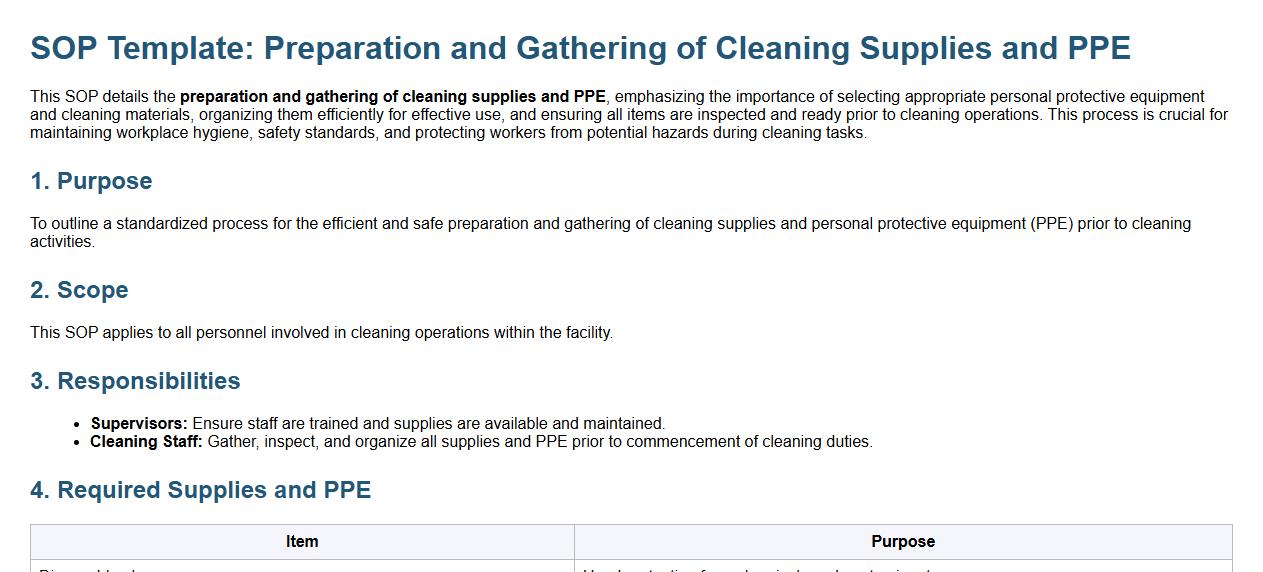
This SOP details the preparation and gathering of cleaning supplies and PPE, emphasizing the importance of selecting appropriate personal protective equipment and cleaning materials, organizing them efficiently for effective use, and ensuring all items are inspected and ready prior to cleaning operations. This process is crucial for maintaining workplace hygiene, safety standards, and protecting workers from potential hazards during cleaning tasks.
Hand hygiene before and after cleaning tasks.
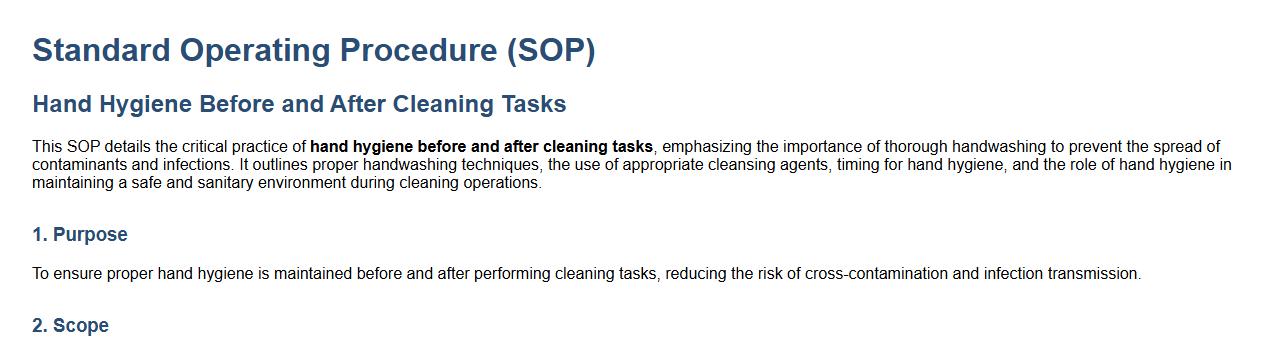
This SOP details the critical practice of hand hygiene before and after cleaning tasks, emphasizing the importance of thorough handwashing to prevent the spread of contaminants and infections. It outlines proper handwashing techniques, the use of appropriate cleansing agents, timing for hand hygiene, and the role of hand hygiene in maintaining a safe and sanitary environment during cleaning operations.
Cleaning and disinfection of high-touch surfaces (e.g., doorknobs, bed rails, light switches).
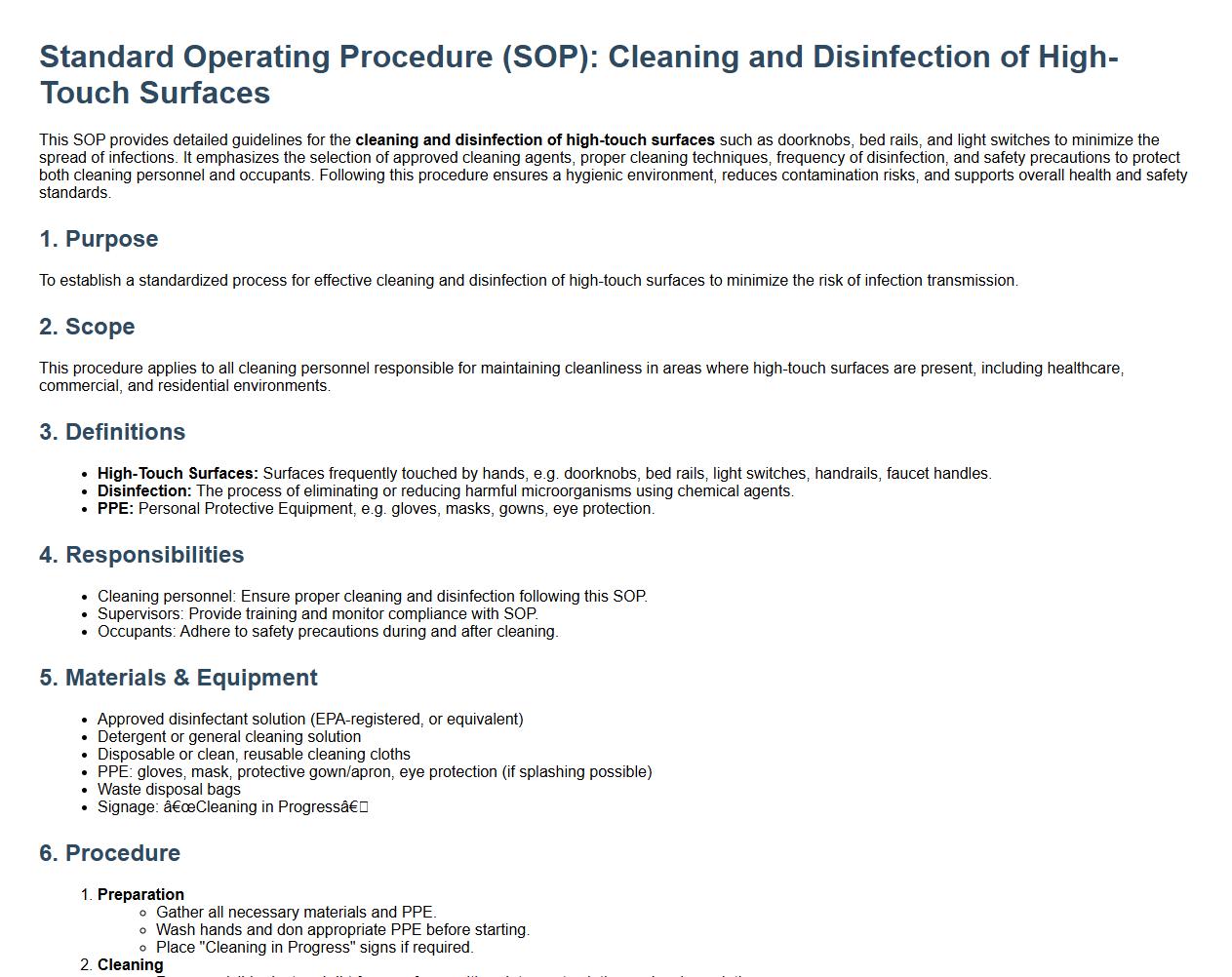
This SOP provides detailed guidelines for the cleaning and disinfection of high-touch surfaces such as doorknobs, bed rails, and light switches to minimize the spread of infections. It emphasizes the selection of approved cleaning agents, proper cleaning techniques, frequency of disinfection, and safety precautions to protect both cleaning personnel and occupants. Following this procedure ensures a hygienic environment, reduces contamination risks, and supports overall health and safety standards.
Floor cleaning and mopping procedures for various areas.
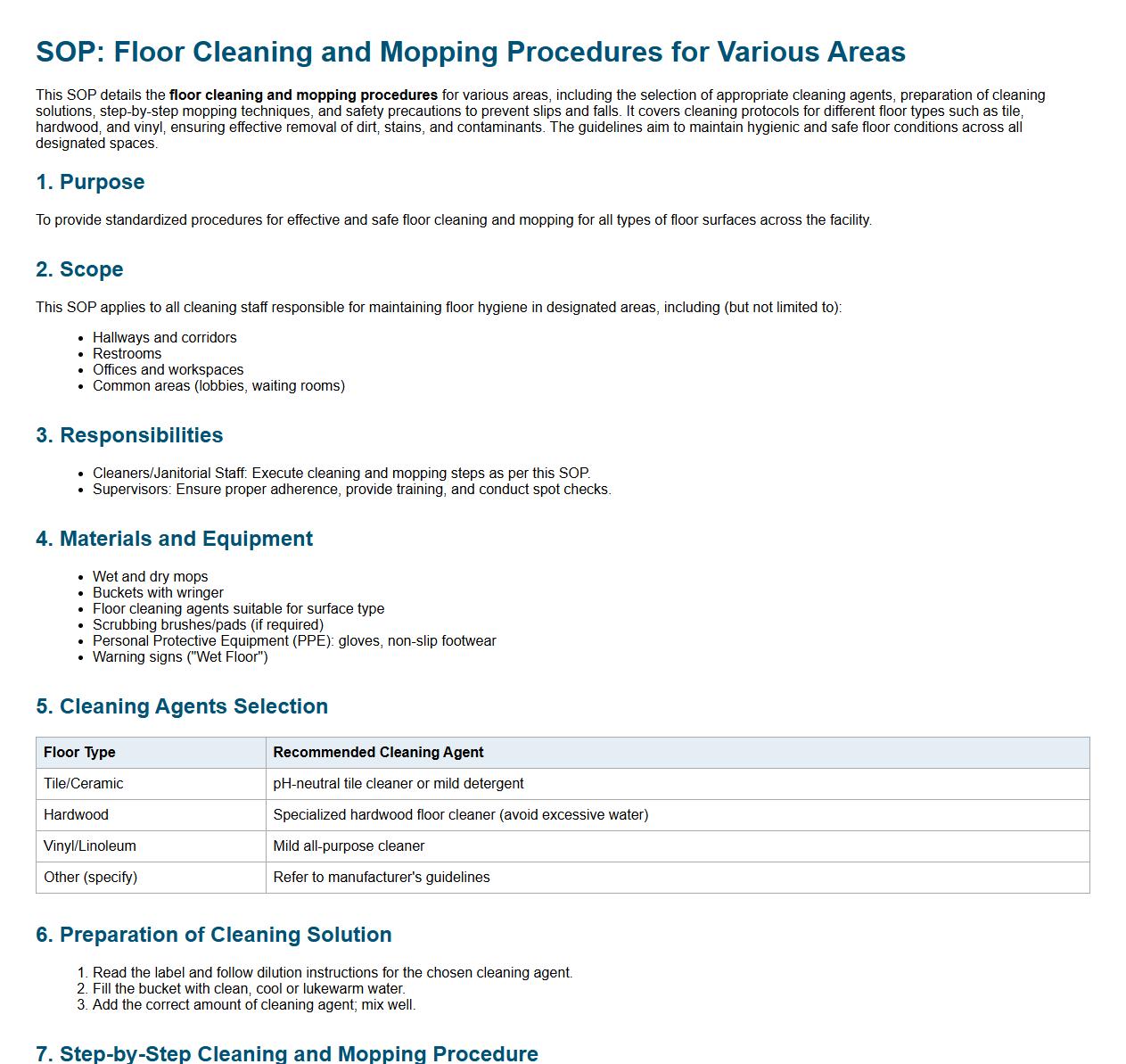
This SOP details the floor cleaning and mopping procedures for various areas, including the selection of appropriate cleaning agents, preparation of cleaning solutions, step-by-step mopping techniques, and safety precautions to prevent slips and falls. It covers cleaning protocols for different floor types such as tile, hardwood, and vinyl, ensuring effective removal of dirt, stains, and contaminants. The guidelines aim to maintain hygienic and safe floor conditions across all designated spaces.
Restroom cleaning and restocking supplies.
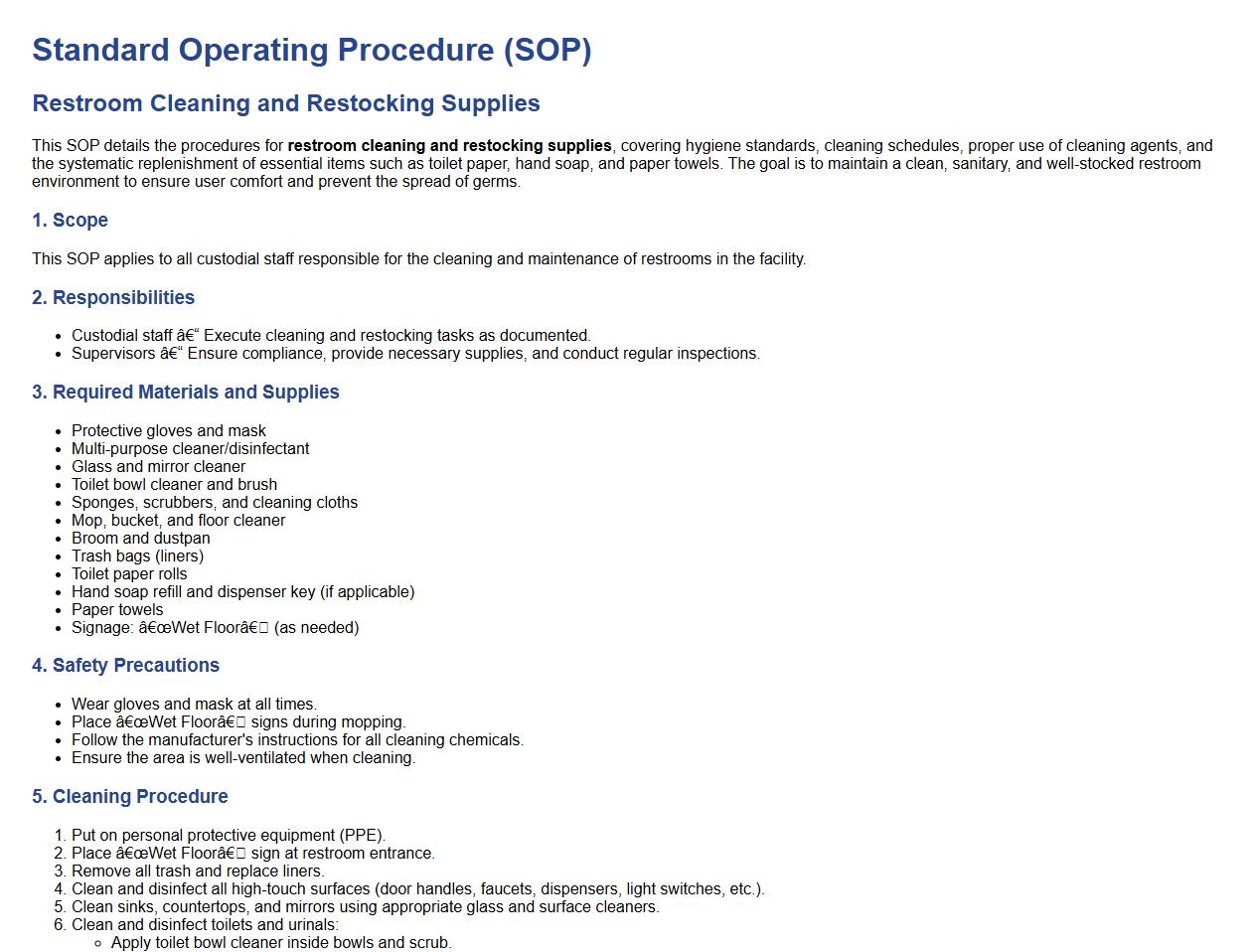
This SOP details the procedures for restroom cleaning and restocking supplies, covering hygiene standards, cleaning schedules, proper use of cleaning agents, and the systematic replenishment of essential items such as toilet paper, hand soap, and paper towels. The goal is to maintain a clean, sanitary, and well-stocked restroom environment to ensure user comfort and prevent the spread of germs.
Isolation room cleaning protocols for infectious patients.
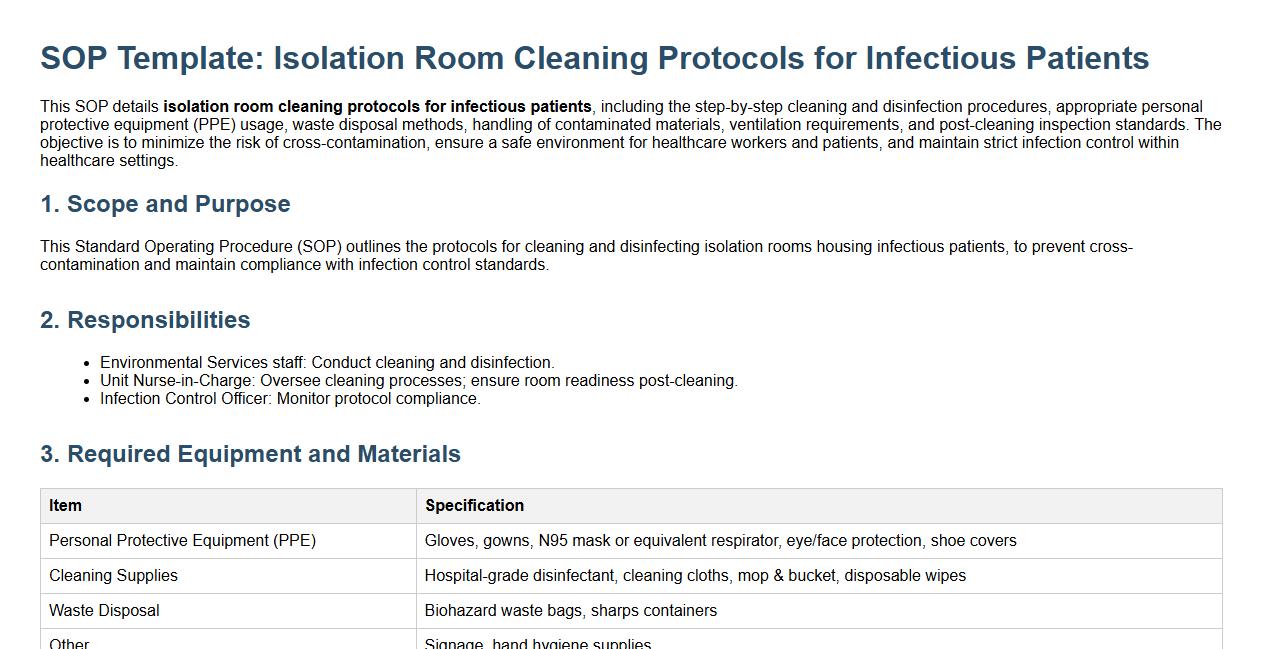
This SOP details isolation room cleaning protocols for infectious patients, including the step-by-step cleaning and disinfection procedures, appropriate personal protective equipment (PPE) usage, waste disposal methods, handling of contaminated materials, ventilation requirements, and post-cleaning inspection standards. The objective is to minimize the risk of cross-contamination, ensure a safe environment for healthcare workers and patients, and maintain strict infection control within healthcare settings.
Waste segregation, disposal, and sharps handling guidelines.
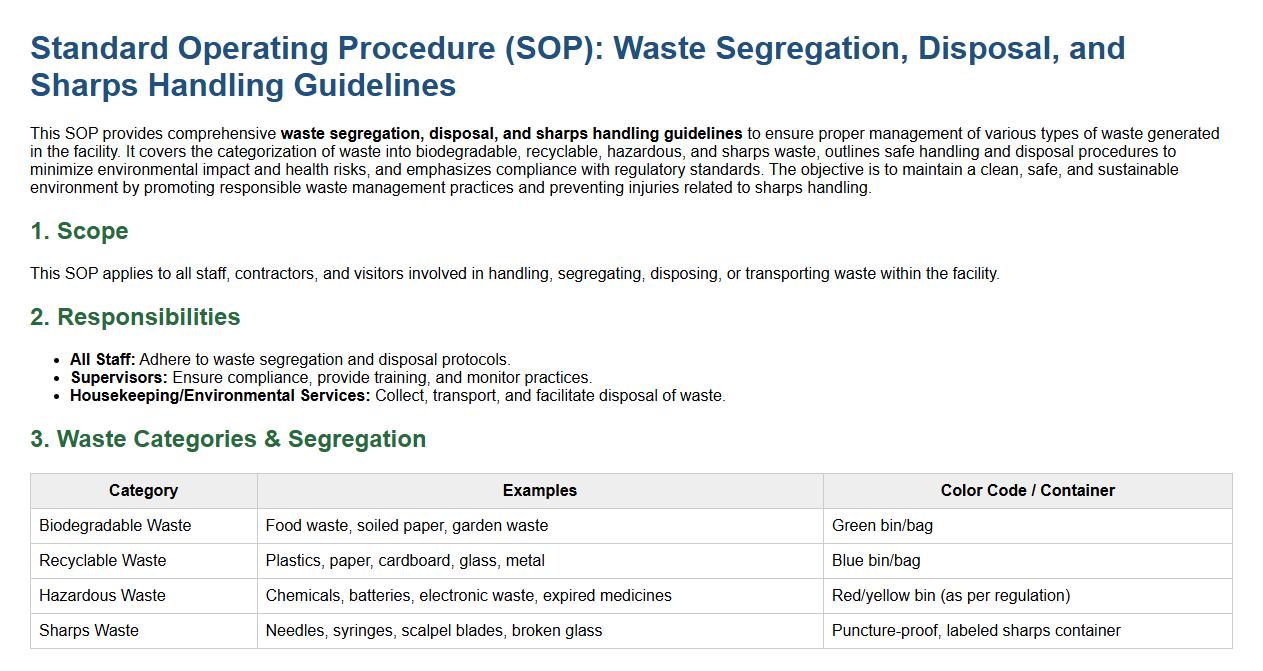
This SOP provides comprehensive waste segregation, disposal, and sharps handling guidelines to ensure proper management of various types of waste generated in the facility. It covers the categorization of waste into biodegradable, recyclable, hazardous, and sharps waste, outlines safe handling and disposal procedures to minimize environmental impact and health risks, and emphasizes compliance with regulatory standards. The objective is to maintain a clean, safe, and sustainable environment by promoting responsible waste management practices and preventing injuries related to sharps handling.
Linen handling, collection, and transport procedures.
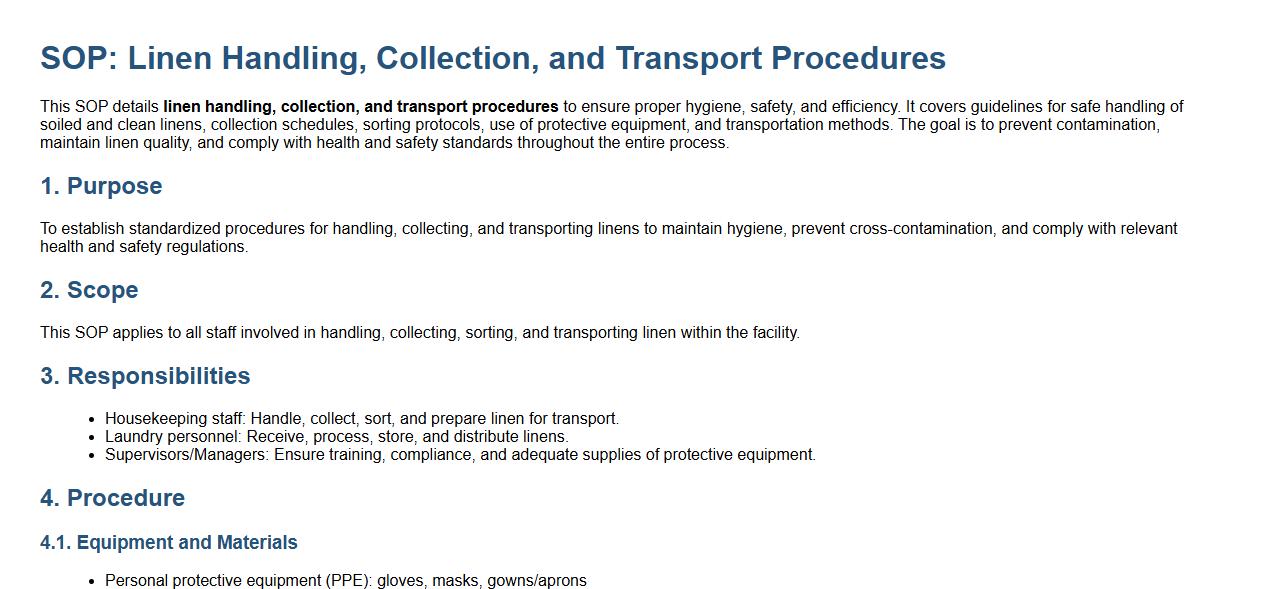
This SOP details linen handling, collection, and transport procedures to ensure proper hygiene, safety, and efficiency. It covers guidelines for safe handling of soiled and clean linens, collection schedules, sorting protocols, use of protective equipment, and transportation methods. The goal is to prevent contamination, maintain linen quality, and comply with health and safety standards throughout the entire process.
Equipment cleaning and storage after use.
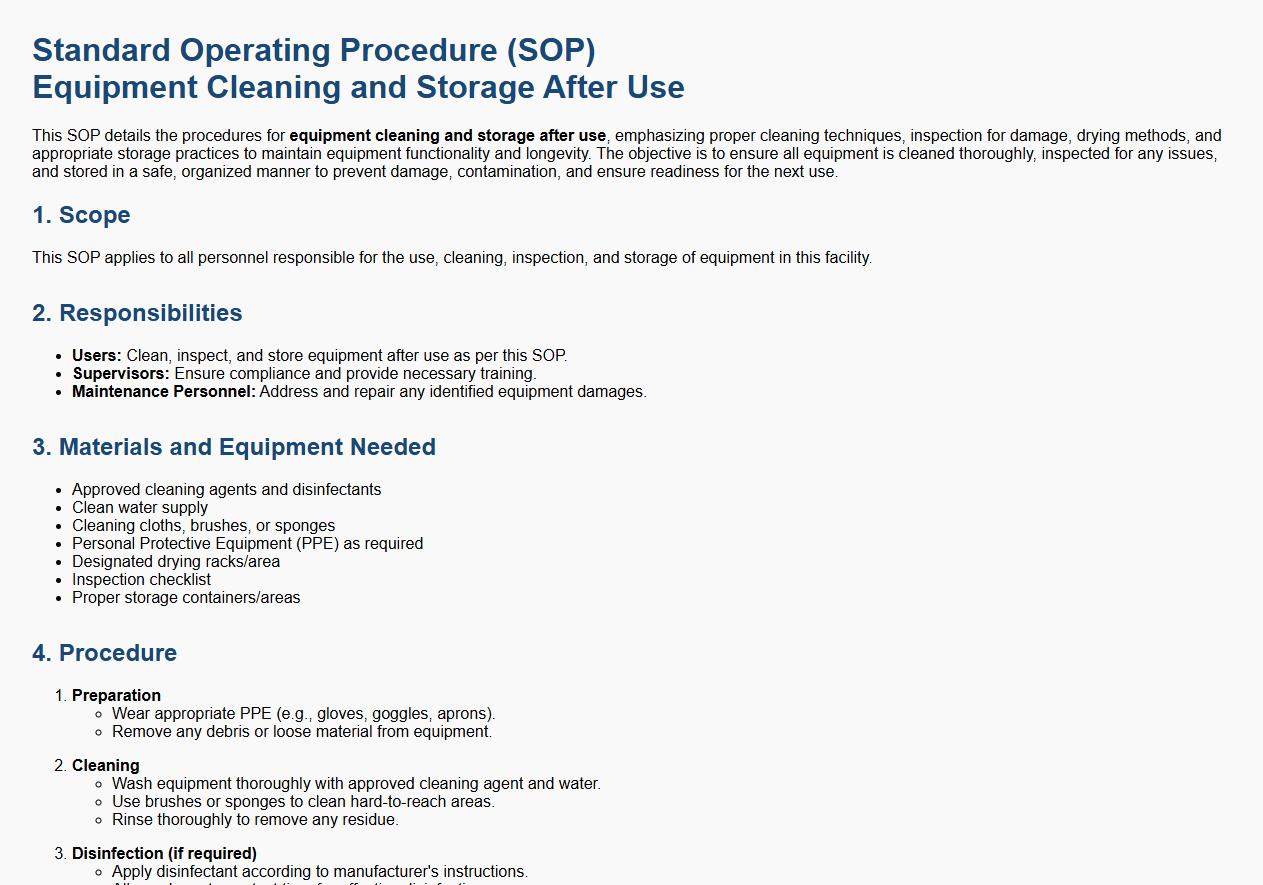
This SOP details the procedures for equipment cleaning and storage after use, emphasizing the proper cleaning techniques, inspection for damage, drying methods, and appropriate storage practices to maintain equipment functionality and longevity. The objective is to ensure all equipment is cleaned thoroughly, inspected for any issues, and stored in a safe, organized manner to prevent damage, contamination, and ensure readiness for the next use.
Documentation, reporting issues, and communication with nursing staff.
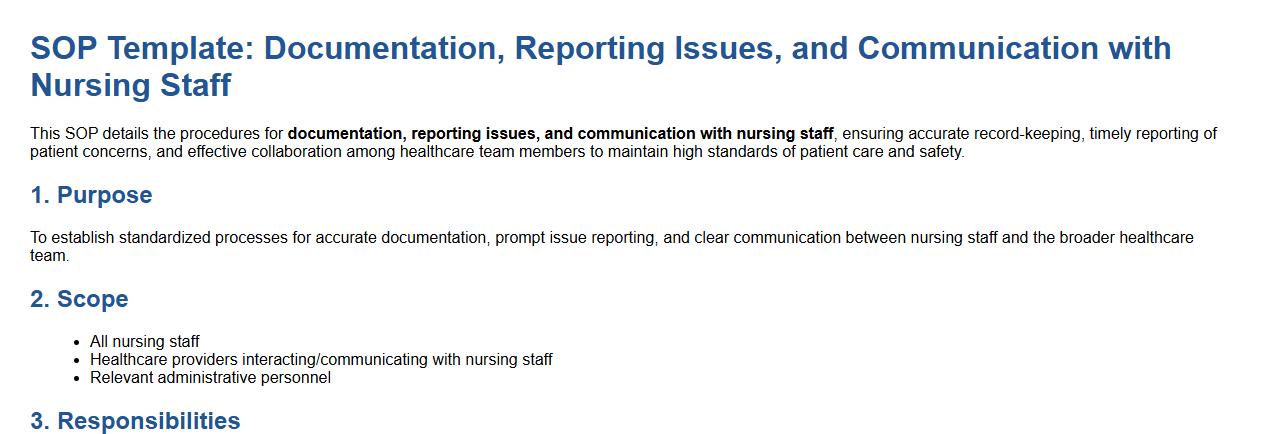
This SOP details the procedures for documentation, reporting issues, and communication with nursing staff, ensuring accurate record-keeping, timely reporting of patient concerns, and effective collaboration among healthcare team members to maintain high standards of patient care and safety.
What are the key steps outlined in the SOP for cleaning high-touch surfaces in patient care areas?
The SOP emphasizes the systematic cleaning of high-touch surfaces, including bed rails, doorknobs, and light switches, to minimize infection risks. Staff are instructed to use hospital-approved disinfectants and follow a specific sequence to avoid recontamination. Consistent adherence to these steps ensures patient safety and maintains a hygienic environment.
Which personal protective equipment (PPE) is mandated by the SOP during various hospital cleaning tasks?
The SOP requires the use of PPE such as gloves, gowns, masks, and eye protection to safeguard cleaning personnel. Specific PPE varies according to the risk level of the task, with enhanced protection during exposure to bodily fluids. Proper donning and doffing of PPE are stressed to prevent cross-contamination and maintain worker safety.
How does the SOP define the proper dilution and application methods for disinfectants in different hospital zones?
The SOP outlines precise disinfectant dilution ratios tailored to each hospital zone based on contamination risk. Application methods include wiping, spraying, or fogging, ensuring thorough coverage and contact time for effective microbial kill. Compliance with these protocols preserves disinfectant efficacy and reduces hospital-acquired infections.
What procedures does the SOP specify for handling and disposing of infectious waste during routine cleaning?
The SOP mandates segregation of infectious waste into color-coded containers to facilitate safe disposal. Staff must seal and label waste bags according to biohazard standards before transport to designated disposal sites. These procedures prevent environmental contamination and protect healthcare workers and patients from exposure.
How does the SOP ensure documentation and monitoring of completed cleaning tasks for compliance and quality control?
The SOP requires thorough documentation of cleaning activities using log sheets and digital tracking tools to verify task completion. Supervisors routinely review records and conduct audits to uphold standards and identify improvement areas. This process enforces accountability and drives continuous quality enhancement in hospital hygiene practices.