

A SOP Template for Outpatient Department Services provides a structured framework to standardize clinical and administrative procedures, ensuring consistent patient care and operational efficiency. This template outlines step-by-step processes for patient registration, consultation, treatment, and discharge, promoting compliance with healthcare regulations and quality standards. Clear documentation within the SOP enhances staff training and improves communication across all outpatient services.
Patient registration and appointment scheduling procedures.
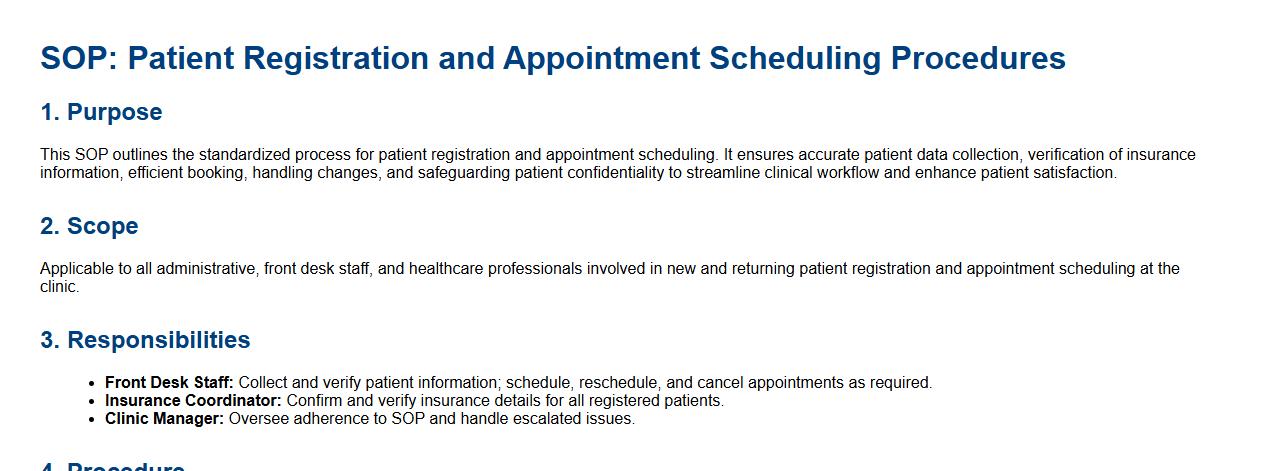
This SOP details the patient registration and appointment scheduling procedures, covering the steps for accurate patient data collection, verification of insurance information, appointment booking protocols, handling cancellations and rescheduling, and maintaining patient confidentiality. The goal is to streamline the registration process, enhance patient experience, and ensure efficient clinic operations by minimizing errors and appointment overlaps.
Patient identification and verification process.
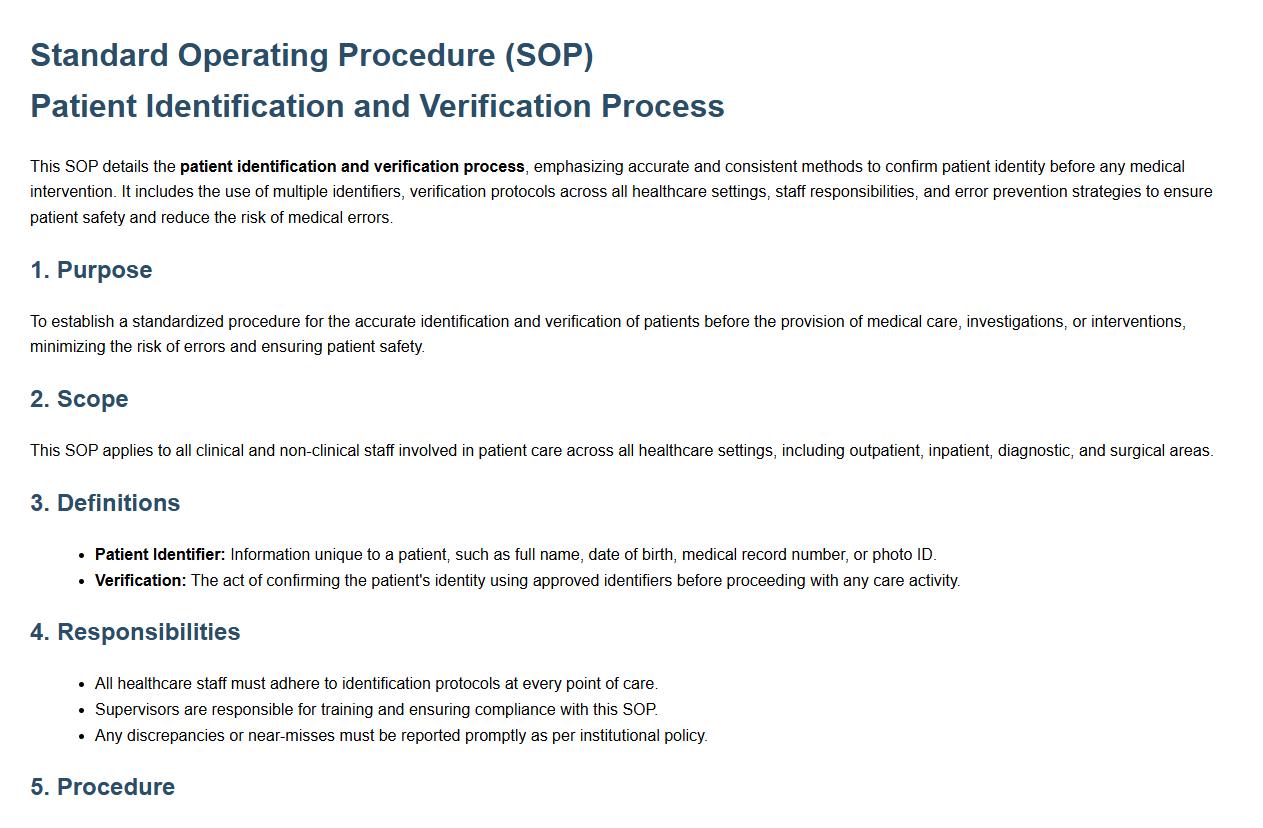
This SOP details the patient identification and verification process, emphasizing accurate and consistent methods to confirm patient identity before any medical intervention. It includes the use of multiple identifiers, verification protocols across all healthcare settings, staff responsibilities, and error prevention strategies to ensure patient safety and reduce the risk of medical errors.
Clinical triage and initial assessment protocols.
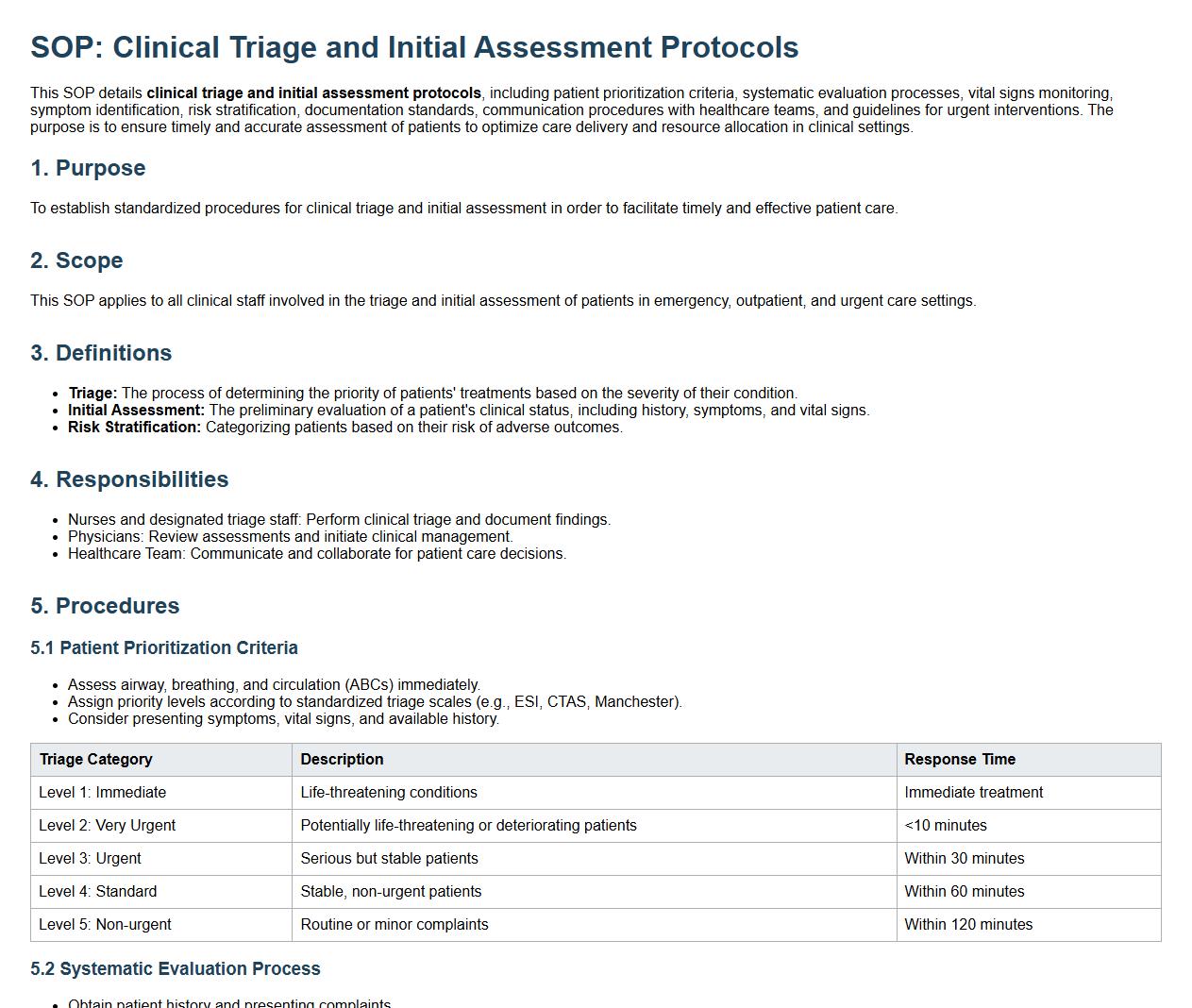
This SOP details clinical triage and initial assessment protocols, including patient prioritization criteria, systematic evaluation processes, vital signs monitoring, symptom identification, risk stratification, documentation standards, communication procedures with healthcare teams, and guidelines for urgent interventions. The purpose is to ensure timely and accurate assessment of patients to optimize care delivery and resource allocation in clinical settings.
Consultation and examination guidelines for clinicians.
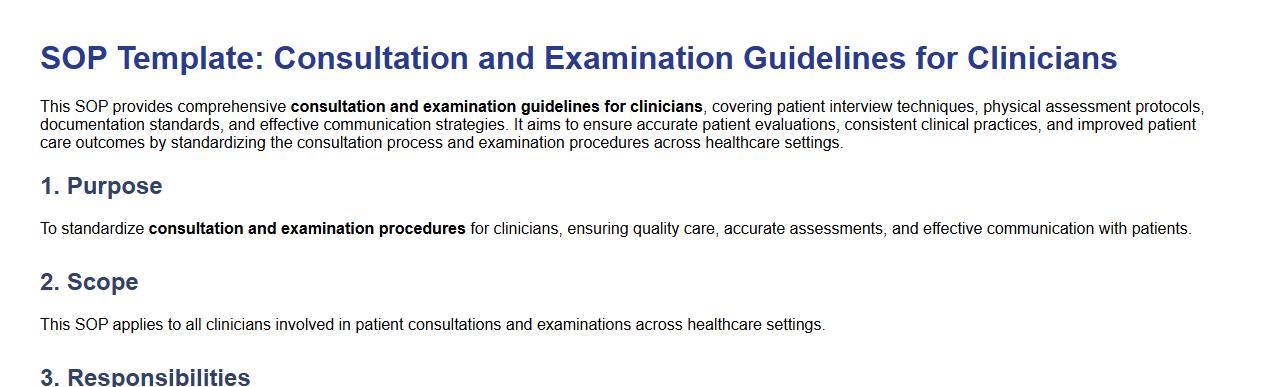
This SOP provides comprehensive consultation and examination guidelines for clinicians, covering patient interview techniques, physical assessment protocols, documentation standards, and effective communication strategies. It aims to ensure accurate patient evaluations, consistent clinical practices, and improved patient care outcomes by standardizing the consultation process and examination procedures across healthcare settings.
Documentation and medical record management.
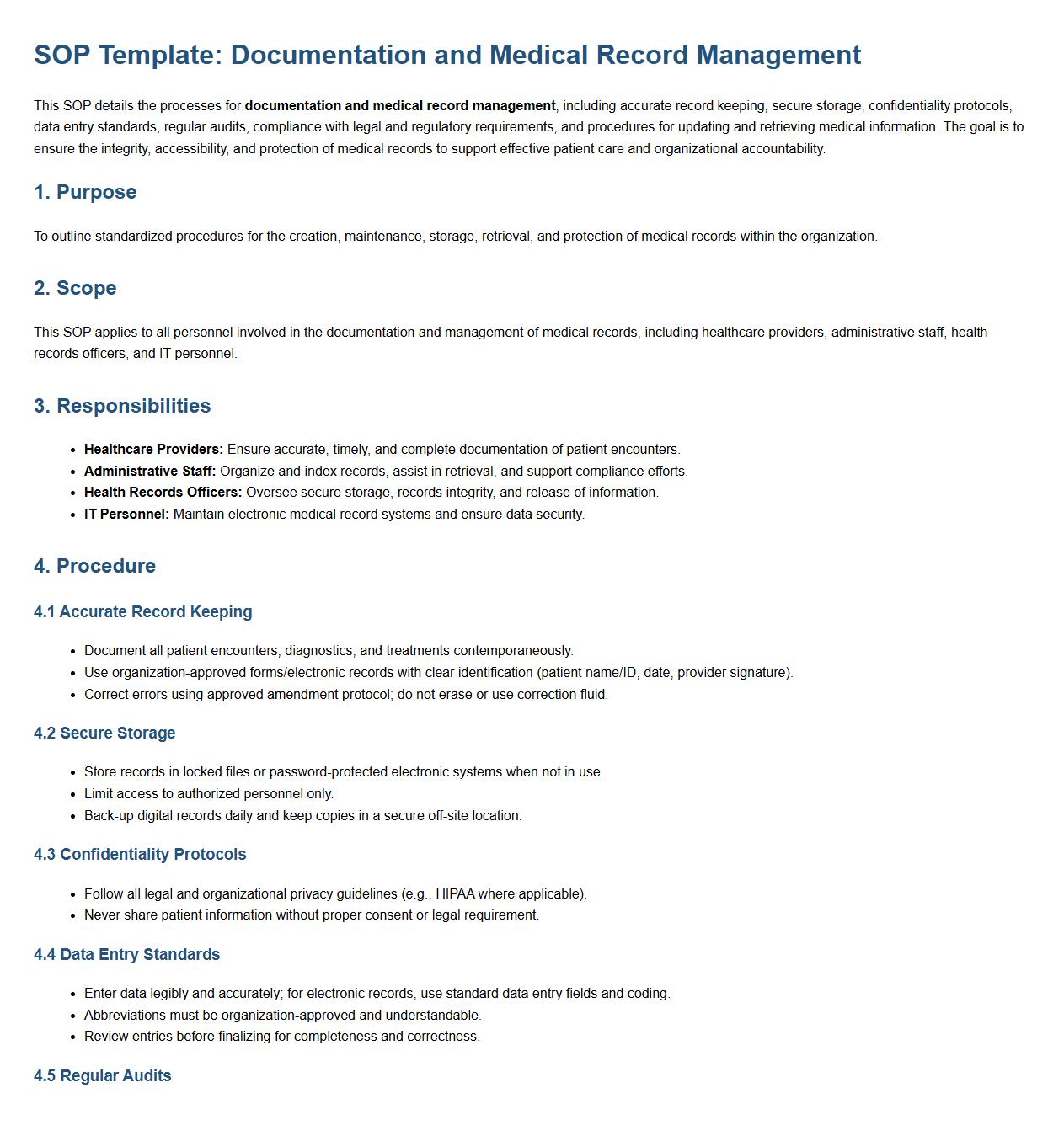
This SOP details the processes for documentation and medical record management, including accurate record keeping, secure storage, confidentiality protocols, data entry standards, regular audits, compliance with legal and regulatory requirements, and procedures for updating and retrieving medical information. The goal is to ensure the integrity, accessibility, and protection of medical records to support effective patient care and organizational accountability.
Medication prescribing and dispensing procedures.
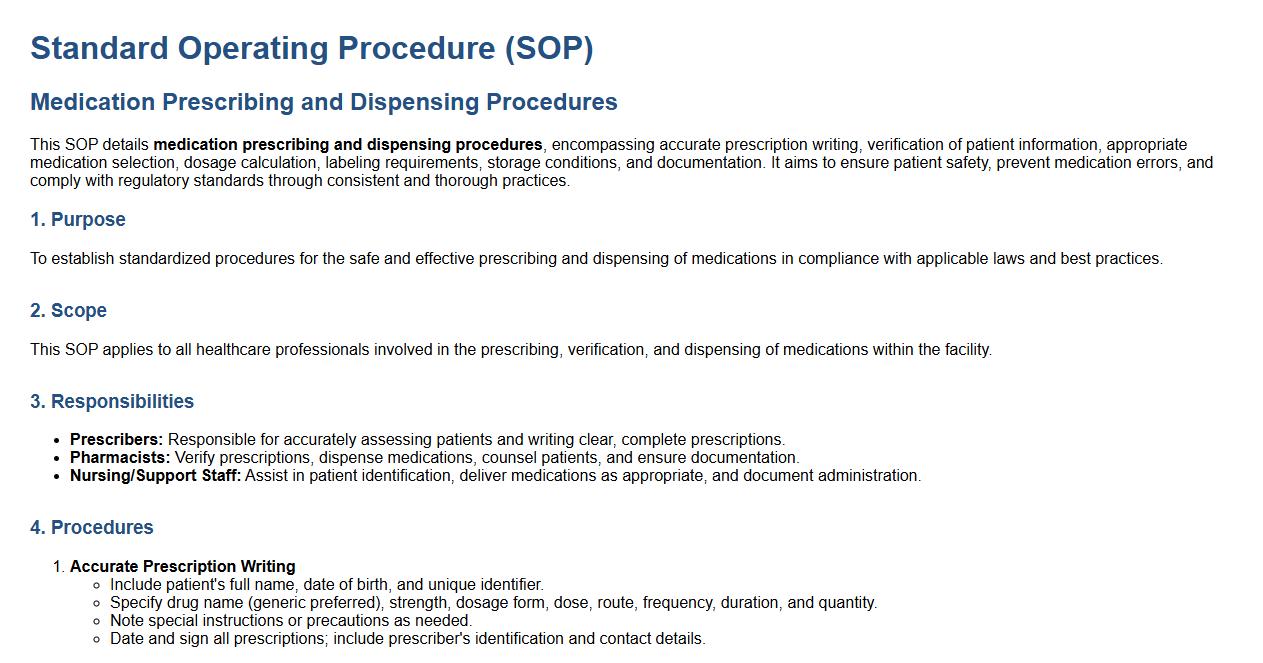
This SOP details medication prescribing and dispensing procedures, encompassing accurate prescription writing, verification of patient information, appropriate medication selection, dosage calculation, labeling requirements, storage conditions, and documentation. It aims to ensure patient safety, prevent medication errors, and comply with regulatory standards through consistent and thorough practices.
Diagnostic services requisition and follow-up processes.
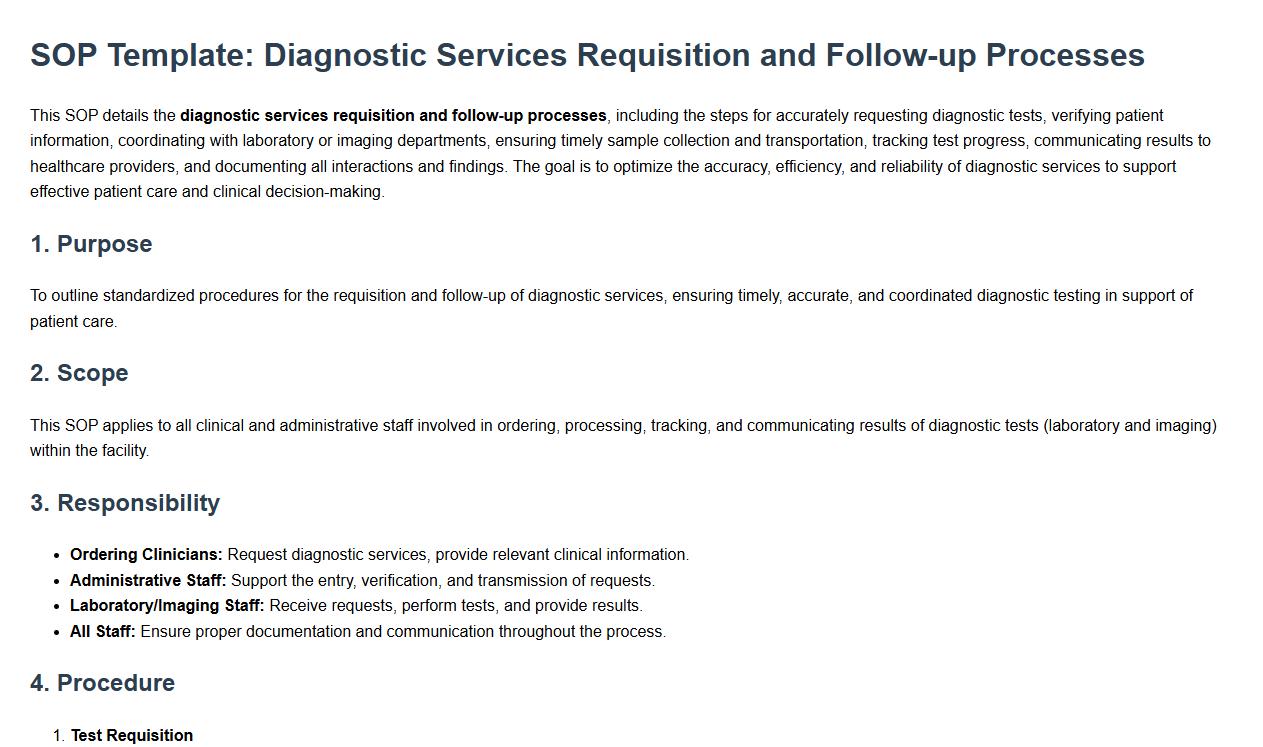
This SOP details the diagnostic services requisition and follow-up processes, including the steps for accurately requesting diagnostic tests, verifying patient information, coordinating with laboratory or imaging departments, ensuring timely sample collection and transportation, tracking test progress, communicating results to healthcare providers, and documenting all interactions and findings. The goal is to optimize the accuracy, efficiency, and reliability of diagnostic services to support effective patient care and clinical decision-making.
Infection control and sanitation measures.
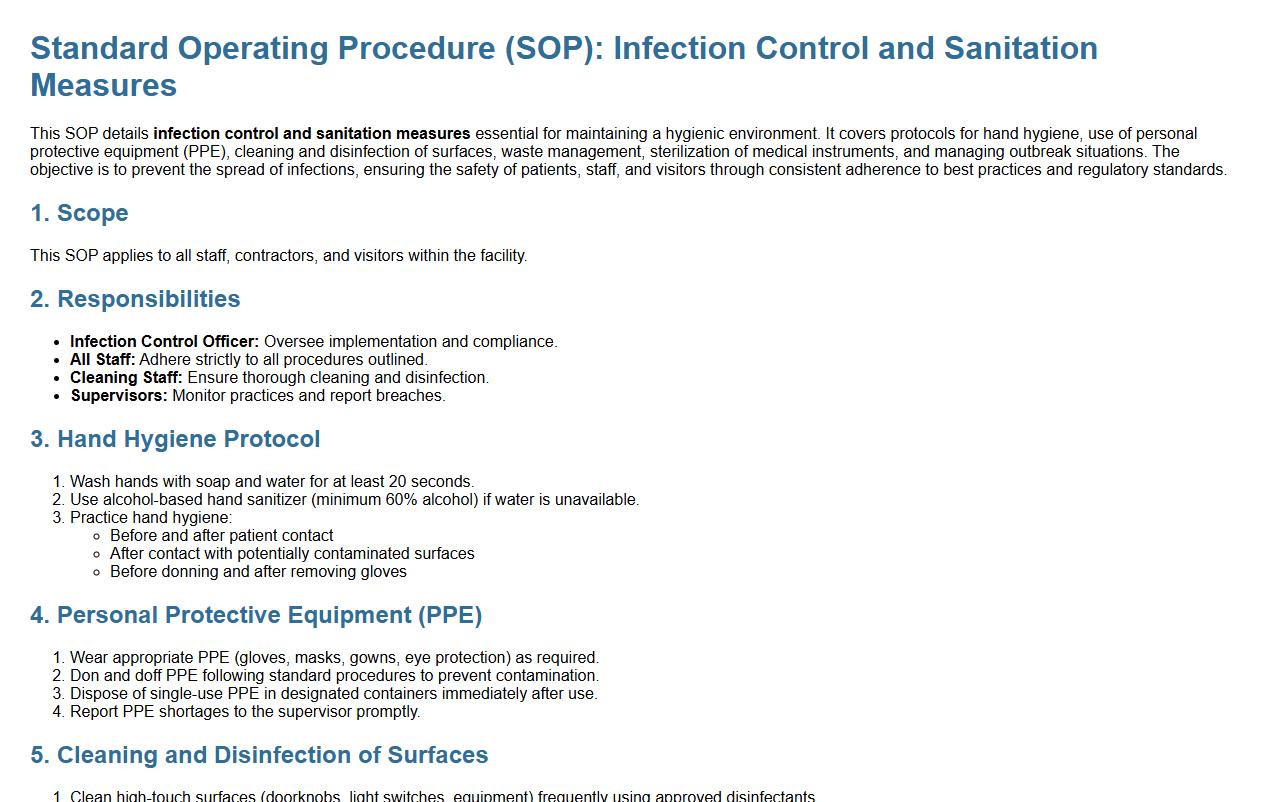
This SOP details infection control and sanitation measures essential for maintaining a hygienic environment. It covers protocols for hand hygiene, use of personal protective equipment (PPE), cleaning and disinfection of surfaces, waste management, sterilization of medical instruments, and managing outbreak situations. The objective is to prevent the spread of infections, ensuring the safety of patients, staff, and visitors through consistent adherence to best practices and regulatory standards.
Patient education and discharge instructions.
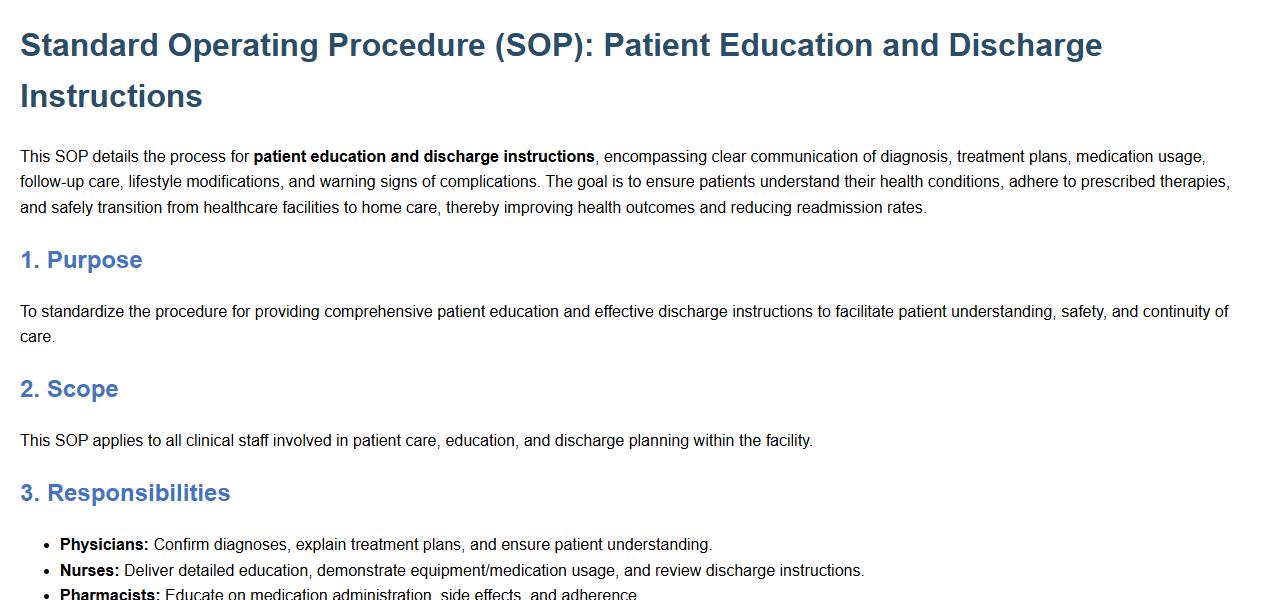
This SOP details the process for patient education and discharge instructions, encompassing clear communication of diagnosis, treatment plans, medication usage, follow-up care, lifestyle modifications, and warning signs of complications. The goal is to ensure patients understand their health conditions, adhere to prescribed therapies, and safely transition from healthcare facilities to home care, thereby improving health outcomes and reducing readmission rates.
Referral and follow-up appointment coordination.
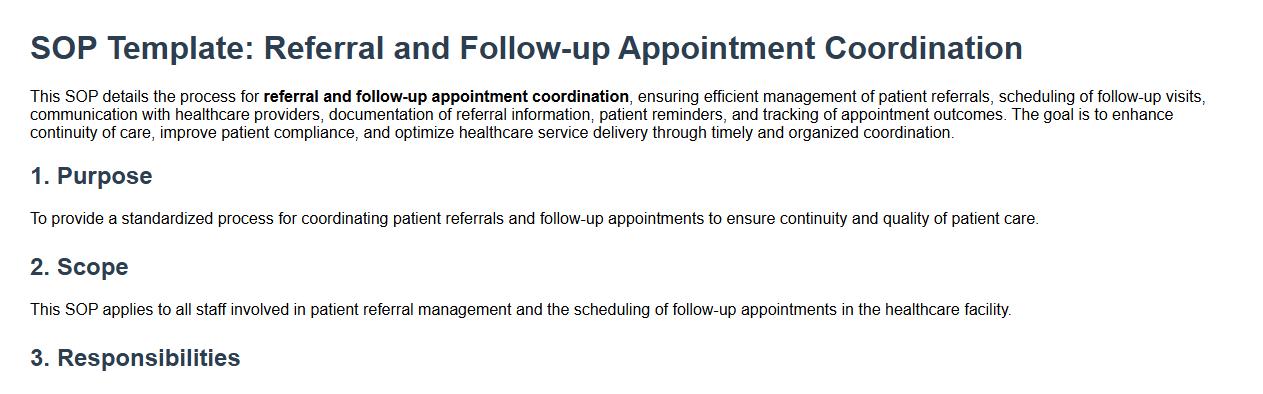
This SOP details the process for referral and follow-up appointment coordination, ensuring efficient management of patient referrals, scheduling of follow-up visits, communication with healthcare providers, documentation of referral information, patient reminders, and tracking of appointment outcomes. The goal is to enhance continuity of care, improve patient compliance, and optimize healthcare service delivery through timely and organized coordination.
Key Objectives Outlined in the SOP for Outpatient Department (OPD) Services
The SOP for OPD services aims to ensure efficient patient care with timely service delivery. It focuses on maintaining a high standard of clinical governance and patient safety. Additionally, the SOP emphasizes the importance of clear communication and coordination among healthcare teams to optimize patient outcomes.
Steps for Patient Registration According to the OPD SOP
Patient registration begins with verifying patient identification and demographic details. The SOP mandates proper documentation of patient history and presenting complaints for accurate records. Operators must also ensure that consent forms and payment details are collected and correctly entered into the hospital management system.
Infection Control Measures within the OPD as Addressed by the SOP
The SOP enforces strict adherence to infection control protocols including hand hygiene and use of personal protective equipment (PPE). Regular cleaning and disinfection of frequently touched surfaces are mandated to reduce cross-contamination. Isolation procedures for infectious patients are clearly outlined to protect both staff and other patients.
Documentation Requirements for Medical Personnel as per the SOP
Medical personnel must maintain accurate and complete patient records including diagnosis, treatment plans, and follow-up notes. The SOP specifies the use of standardized forms and electronic health records for consistency. Confidentiality and timely updating of records are critical components highlighted to ensure legal compliance and patient safety.
Protocols for Managing Patient Flow and Triage in the OPD
The SOP outlines an organized triage system to prioritize patients based on the severity of their condition. It mandates clearly defined patient pathways to minimize waiting times and congestion within the OPD. Regular monitoring and reassessment of patient status facilitate efficient resource allocation and improved service delivery.