

A SOP Template for Surgery Preparation and Recovery outlines essential steps to ensure patient safety and effective care before and after surgical procedures. It includes protocols for preoperative assessments, medication management, and post-surgery monitoring to reduce complications. Clear documentation within the template helps healthcare teams maintain consistency and improve patient outcomes.
Pre-operative patient assessment and verification.
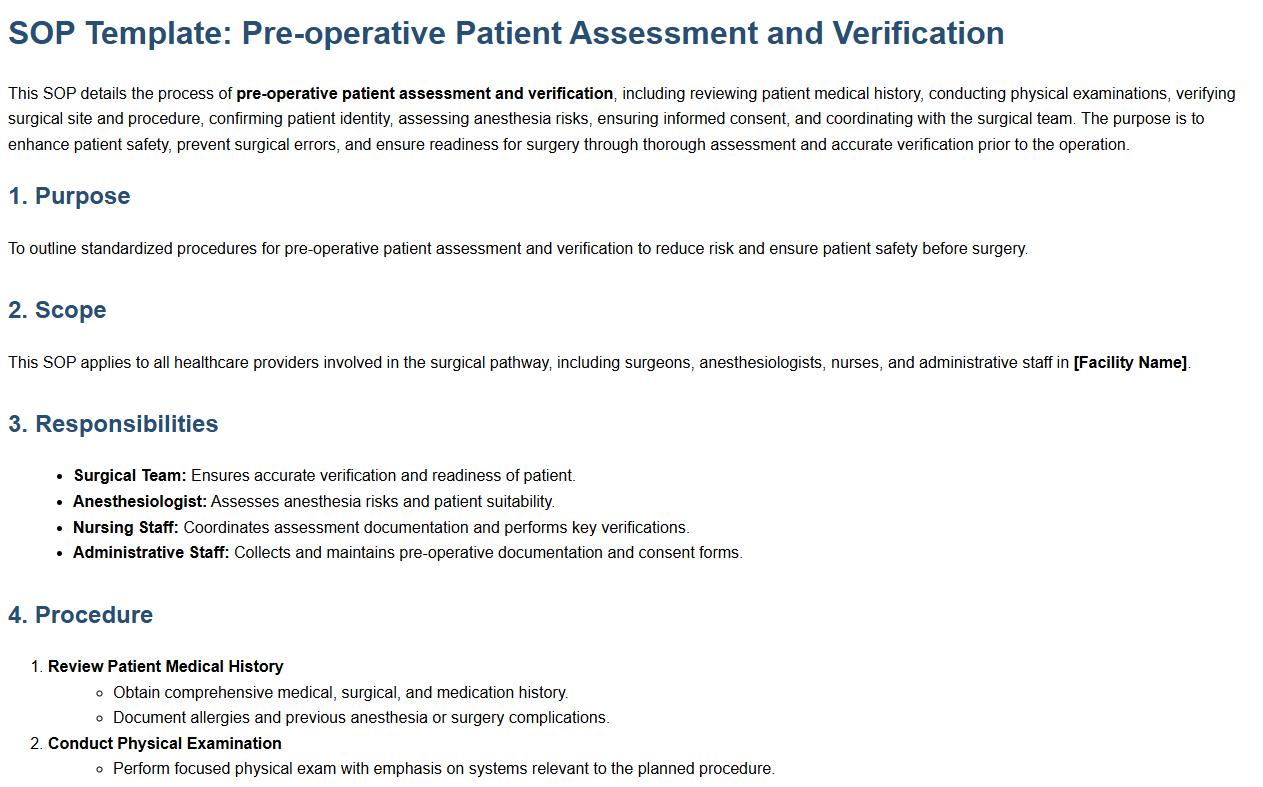
This SOP details the process of pre-operative patient assessment and verification, including reviewing patient medical history, conducting physical examinations, verifying surgical site and procedure, confirming patient identity, assessing anesthesia risks, ensuring informed consent, and coordinating with the surgical team. The purpose is to enhance patient safety, prevent surgical errors, and ensure readiness for surgery through thorough assessment and accurate verification prior to the operation.
Surgical instrument and equipment sterilization procedures.
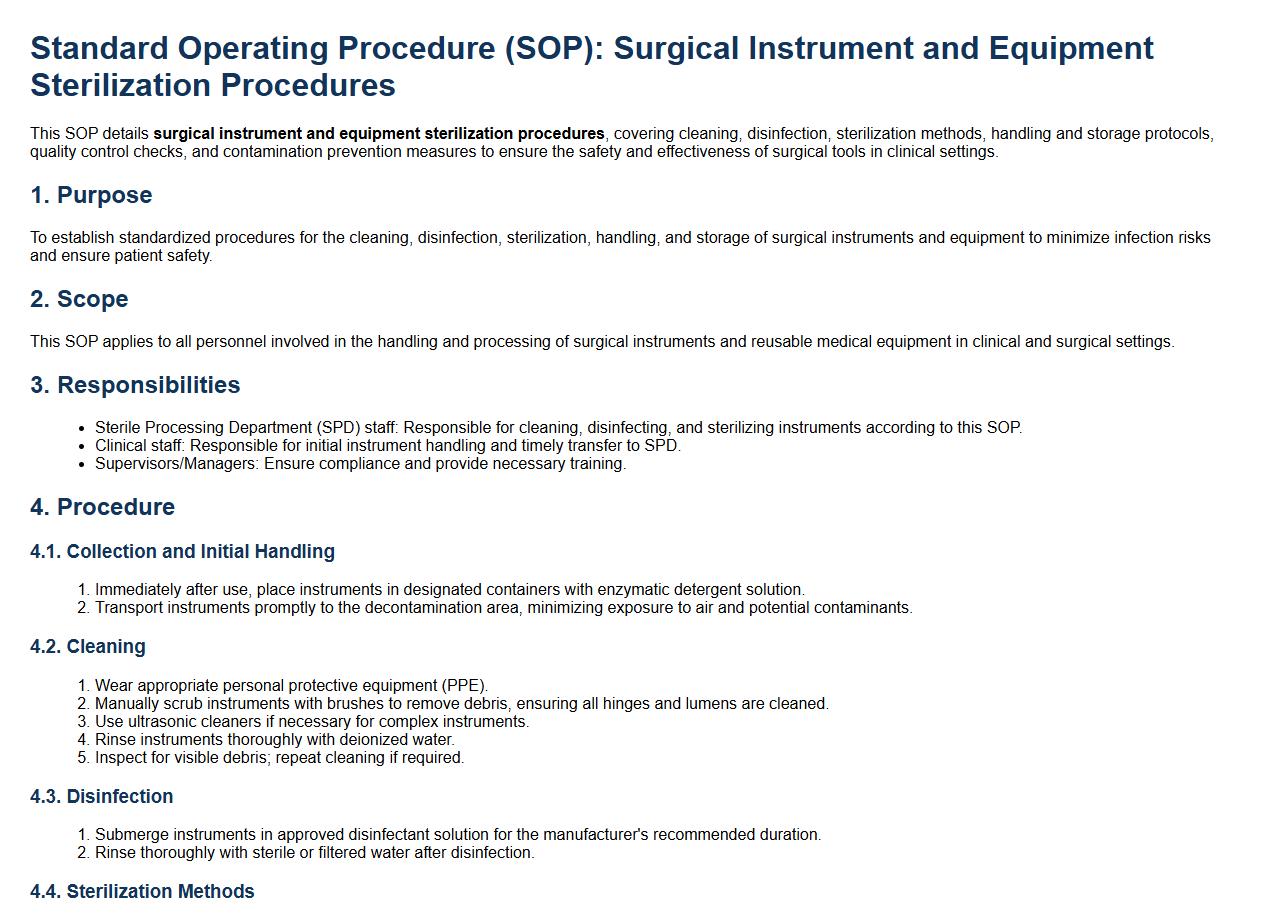
This SOP details surgical instrument and equipment sterilization procedures, covering cleaning, disinfection, sterilization methods, handling and storage protocols, quality control checks, and contamination prevention measures to ensure the safety and effectiveness of surgical tools in clinical settings.
Surgical site preparation and aseptic protocols.
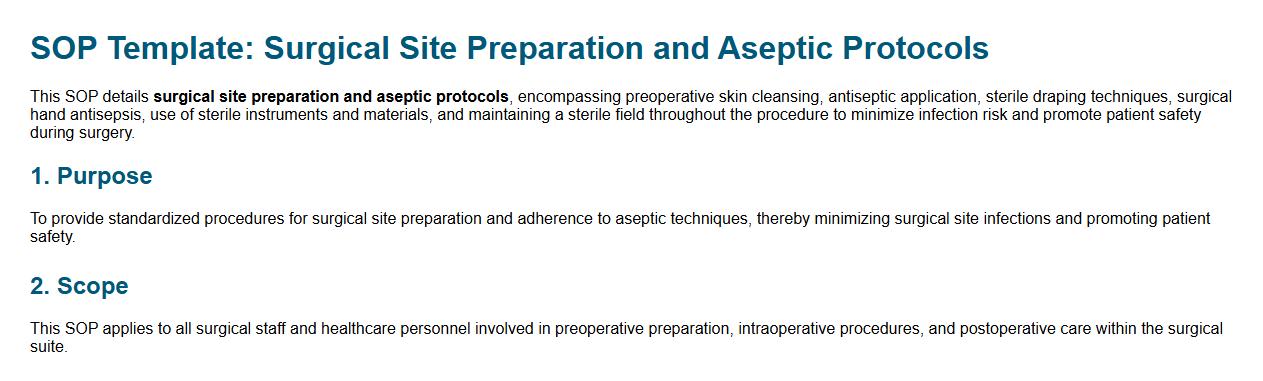
This SOP details surgical site preparation and aseptic protocols, encompassing preoperative skin cleansing, antiseptic application, sterile draping techniques, surgical hand antisepsis, use of sterile instruments and materials, and maintaining a sterile field throughout the procedure to minimize infection risk and promote patient safety during surgery.
Anesthesia administration guidelines and monitoring.
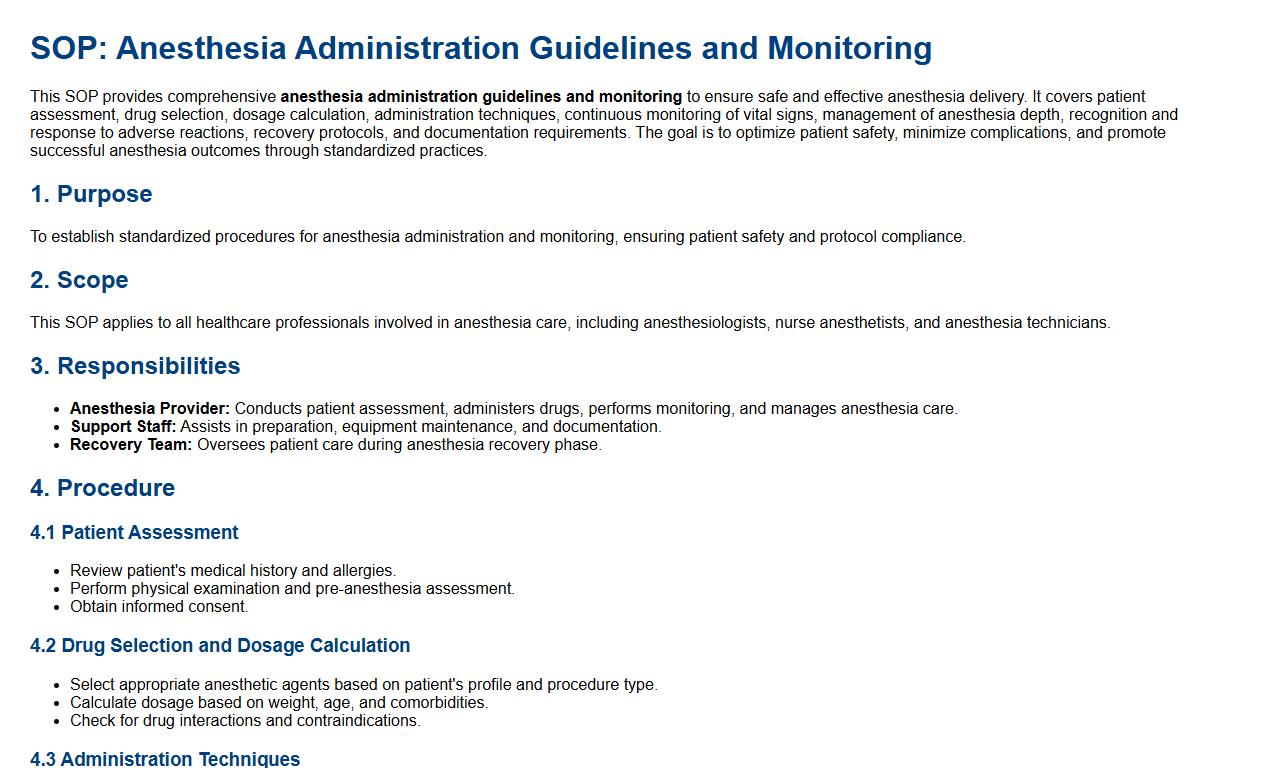
This SOP provides comprehensive anesthesia administration guidelines and monitoring to ensure safe and effective anesthesia delivery. It covers patient assessment, drug selection, dosage calculation, administration techniques, continuous monitoring of vital signs, management of anesthesia depth, recognition and response to adverse reactions, recovery protocols, and documentation requirements. The goal is to optimize patient safety, minimize complications, and promote successful anesthesia outcomes through standardized practices.
Patient identification and surgical consent verification.
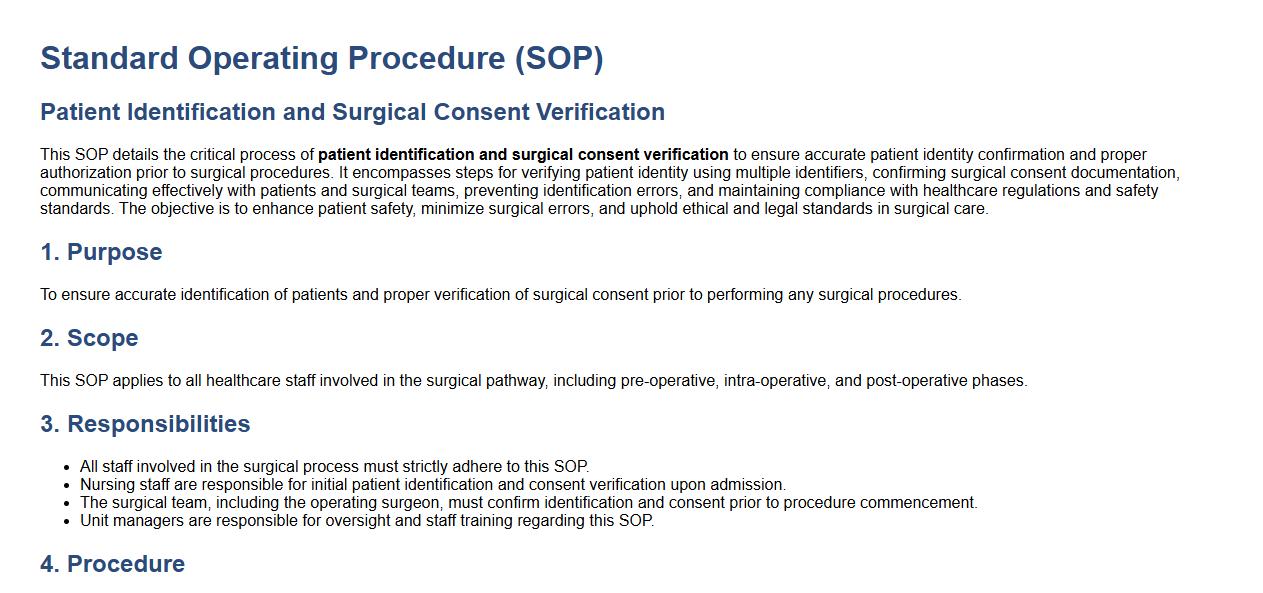
This SOP details the critical process of patient identification and surgical consent verification to ensure accurate patient identity confirmation and proper authorization prior to surgical procedures. It encompasses steps for verifying patient identity using multiple identifiers, confirming surgical consent documentation, communicating effectively with patients and surgical teams, preventing identification errors, and maintaining compliance with healthcare regulations and safety standards. The objective is to enhance patient safety, minimize surgical errors, and uphold ethical and legal standards in surgical care.
Checklist for surgical team hand hygiene and attire.
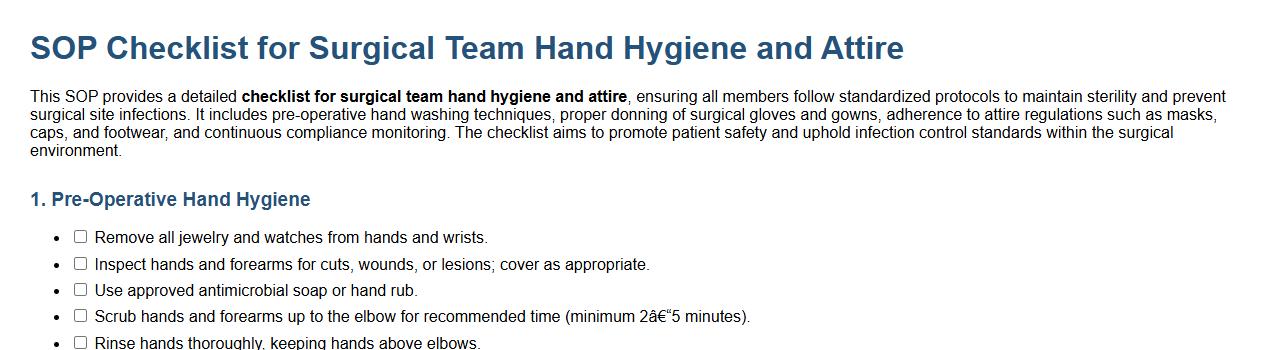
This SOP provides a detailed checklist for surgical team hand hygiene and attire, ensuring all members follow standardized protocols to maintain sterility and prevent surgical site infections. It includes pre-operative hand washing techniques, proper donning of surgical gloves and gowns, adherence to attire regulations such as masks, caps, and footwear, and continuous compliance monitoring. The checklist aims to promote patient safety and uphold infection control standards within the surgical environment.
Operative room setup and environmental controls.
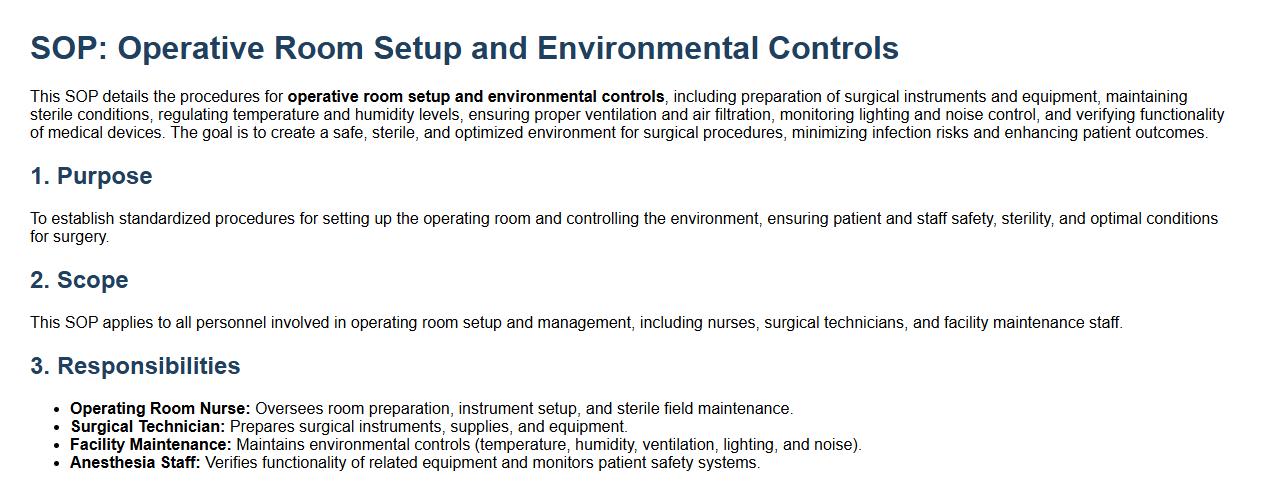
This SOP details the procedures for operative room setup and environmental controls, including preparation of surgical instruments and equipment, maintaining sterile conditions, regulating temperature and humidity levels, ensuring proper ventilation and air filtration, monitoring lighting and noise control, and verifying functionality of medical devices. The goal is to create a safe, sterile, and optimized environment for surgical procedures, minimizing infection risks and enhancing patient outcomes.
Post-operative patient transfer and monitoring.
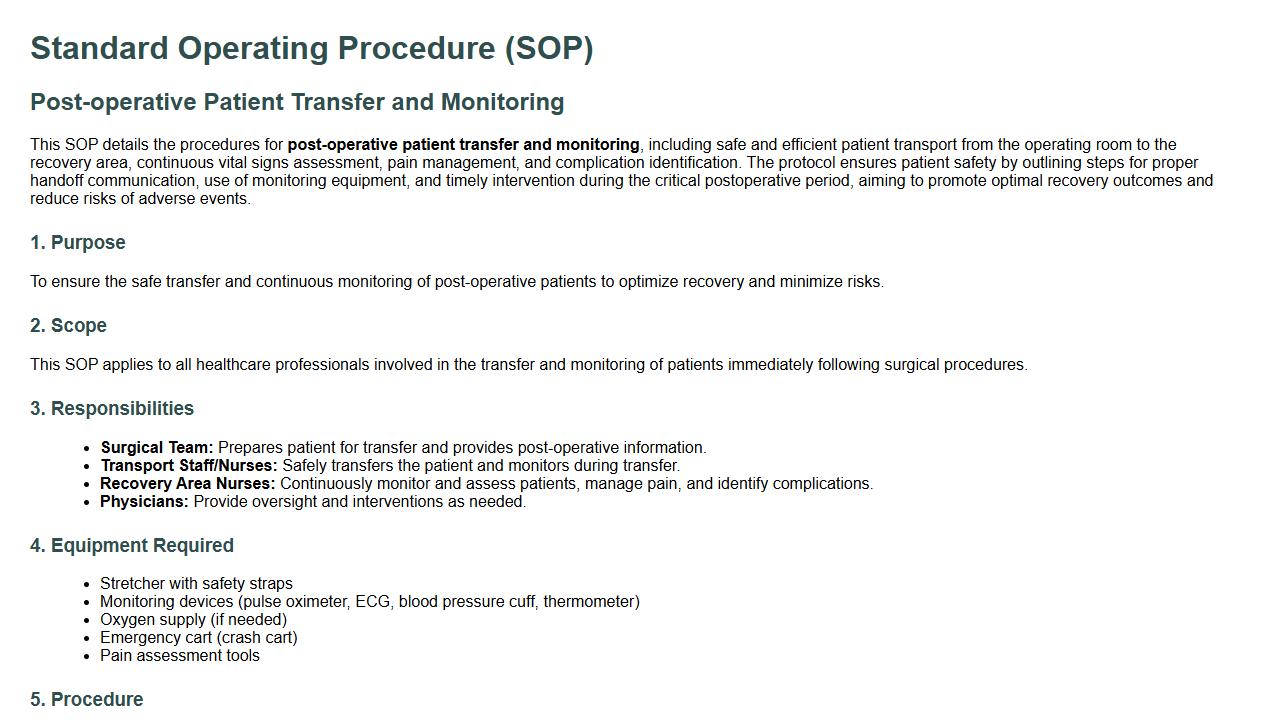
This SOP details the procedures for post-operative patient transfer and monitoring, including safe and efficient patient transport from the operating room to the recovery area, continuous vital signs assessment, pain management, and complication identification. The protocol ensures patient safety by outlining steps for proper handoff communication, use of monitoring equipment, and timely intervention during the critical postoperative period, aiming to promote optimal recovery outcomes and reduce risks of adverse events.
Surgical instrument count and disposal procedures.
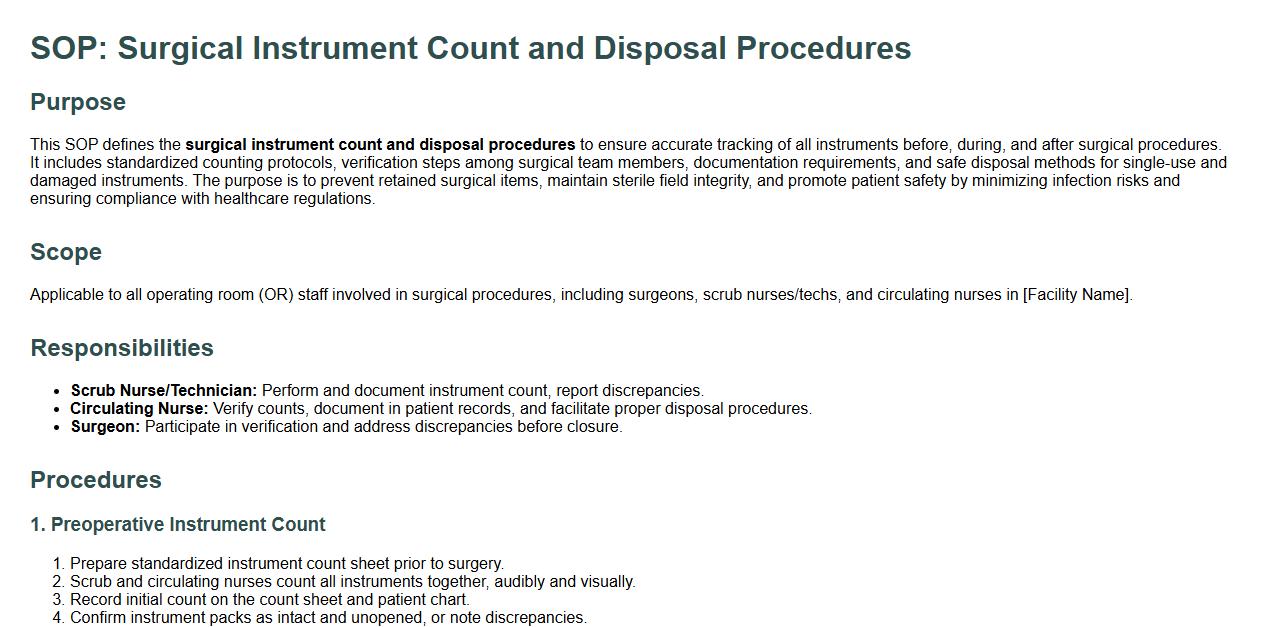
This SOP defines the surgical instrument count and disposal procedures to ensure accurate tracking of all instruments before, during, and after surgical procedures. It includes standardized counting protocols, verification steps among surgical team members, documentation requirements, and safe disposal methods for single-use and damaged instruments. The purpose is to prevent retained surgical items, maintain sterile field integrity, and promote patient safety by minimizing infection risks and ensuring compliance with healthcare regulations.
Post-surgery documentation and recovery care instructions.
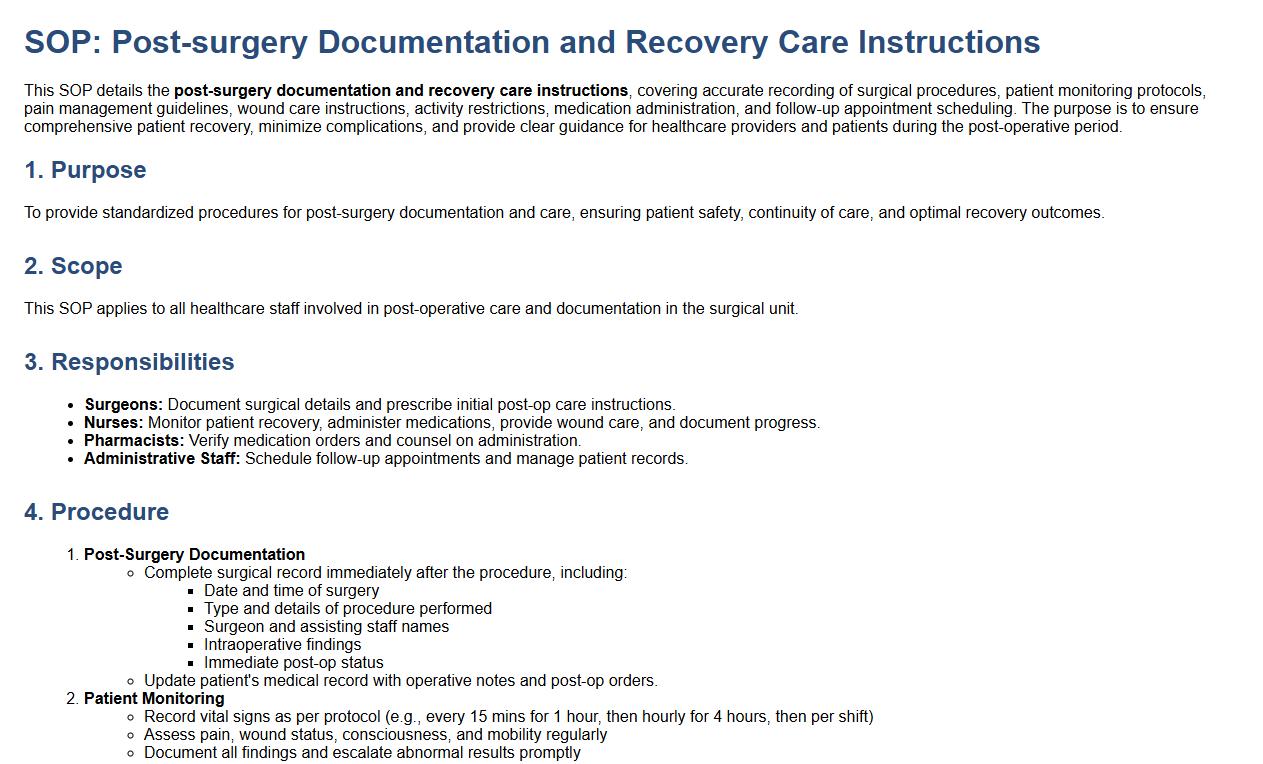
This SOP details the post-surgery documentation and recovery care instructions, covering accurate recording of surgical procedures, patient monitoring protocols, pain management guidelines, wound care instructions, activity restrictions, medication administration, and follow-up appointment scheduling. The purpose is to ensure comprehensive patient recovery, minimize complications, and provide clear guidance for healthcare providers and patients during the post-operative period.
Essential Preoperative Patient Assessments
The SOP emphasizes comprehensive preoperative assessments including patient history, physical examination, and necessary laboratory tests. Evaluating allergies, medication use, and vital signs are crucial to avoid complications. These assessments ensure patient safety and optimize surgical outcomes.
Sterilization Procedures for Surgical Equipment
The SOP mandates strict adherence to sterilization protocols such as autoclaving and chemical disinfection. All surgical instruments must undergo thorough cleaning before sterilization to eliminate contamination. Compliance with these procedures minimizes the risk of surgical site infections.
Roles and Responsibilities During Surgery Preparation
Clear role assignment is outlined for surgeons, nurses, and anesthesiologists to ensure coordinated preparation. Each team member must verify equipment readiness and patient identification. Effective communication and task delegation are essential for smooth surgery preparation.
Recovery Monitoring Protocols for Post-Surgical Patients
The SOP specifies continuous monitoring of vital signs, pain management, and wound assessment during recovery. Documentation of patient progress and timely intervention for complications are mandatory. These protocols are designed to promote safe and rapid patient recovery.
Emergency Procedures During Surgery Preparation and Recovery
The SOP includes detailed emergency response plans such as managing airway obstruction and cardiac arrest. Teams are trained to activate emergency protocols promptly during preparation and recovery phases. This ensures rapid, effective action to safeguard patient health.