

A SOP Template for Critical Care Unit Operations provides a structured framework to ensure consistency and compliance in managing critical patient care. This template outlines essential protocols, roles, and procedures tailored to optimize efficiency and patient safety in high-stakes environments. Implementing such a document supports healthcare teams in maintaining standardized practices and improving overall outcomes.
Patient Admission and Triage Procedures.
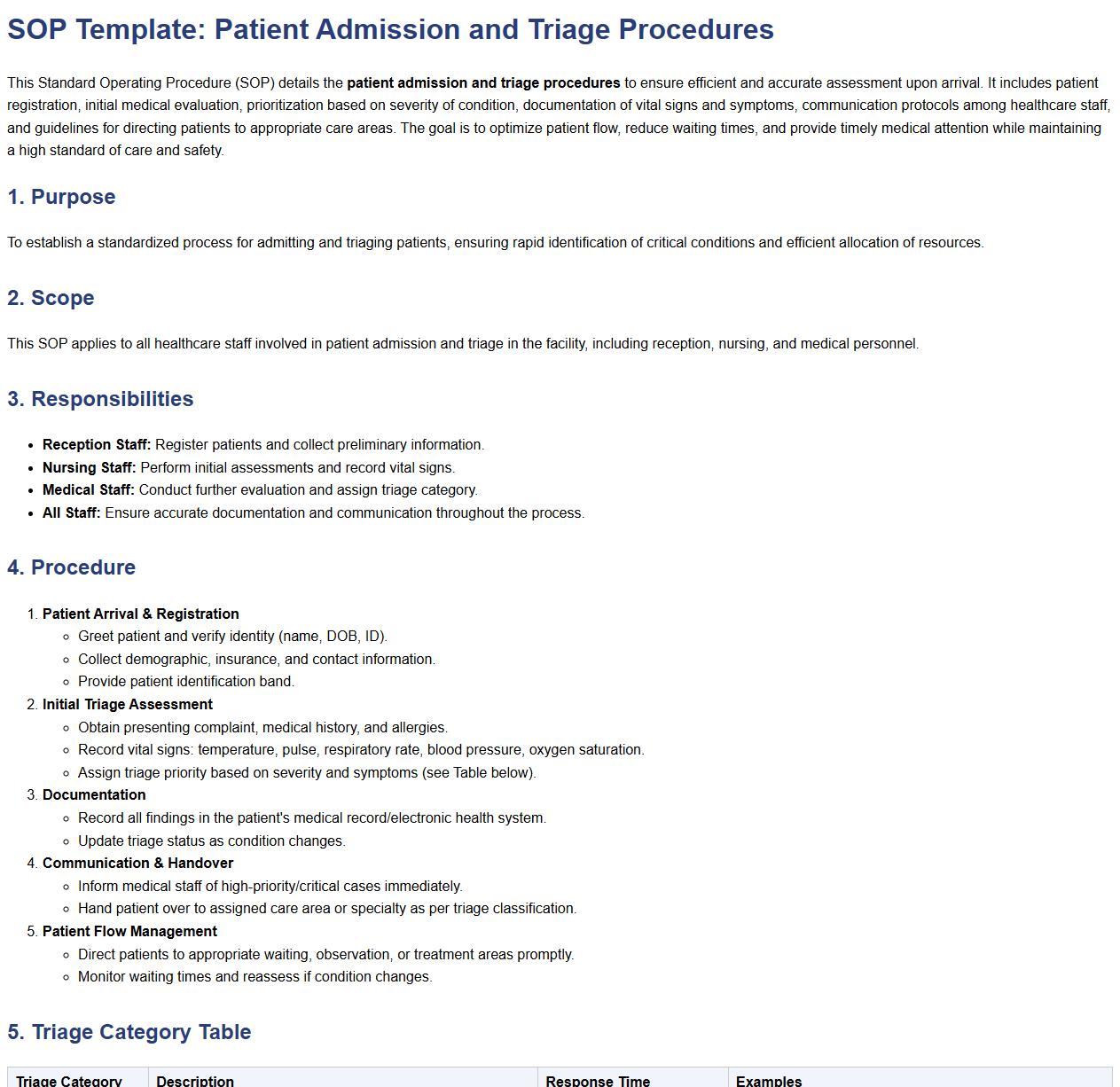
This Standard Operating Procedure (SOP) details the patient admission and triage procedures to ensure efficient and accurate assessment upon arrival. It includes patient registration, initial medical evaluation, prioritization based on severity of condition, documentation of vital signs and symptoms, communication protocols among healthcare staff, and guidelines for directing patients to appropriate care areas. The goal is to optimize patient flow, reduce waiting times, and provide timely medical attention while maintaining a high standard of care and safety.
Handover and Shift Change Protocols.
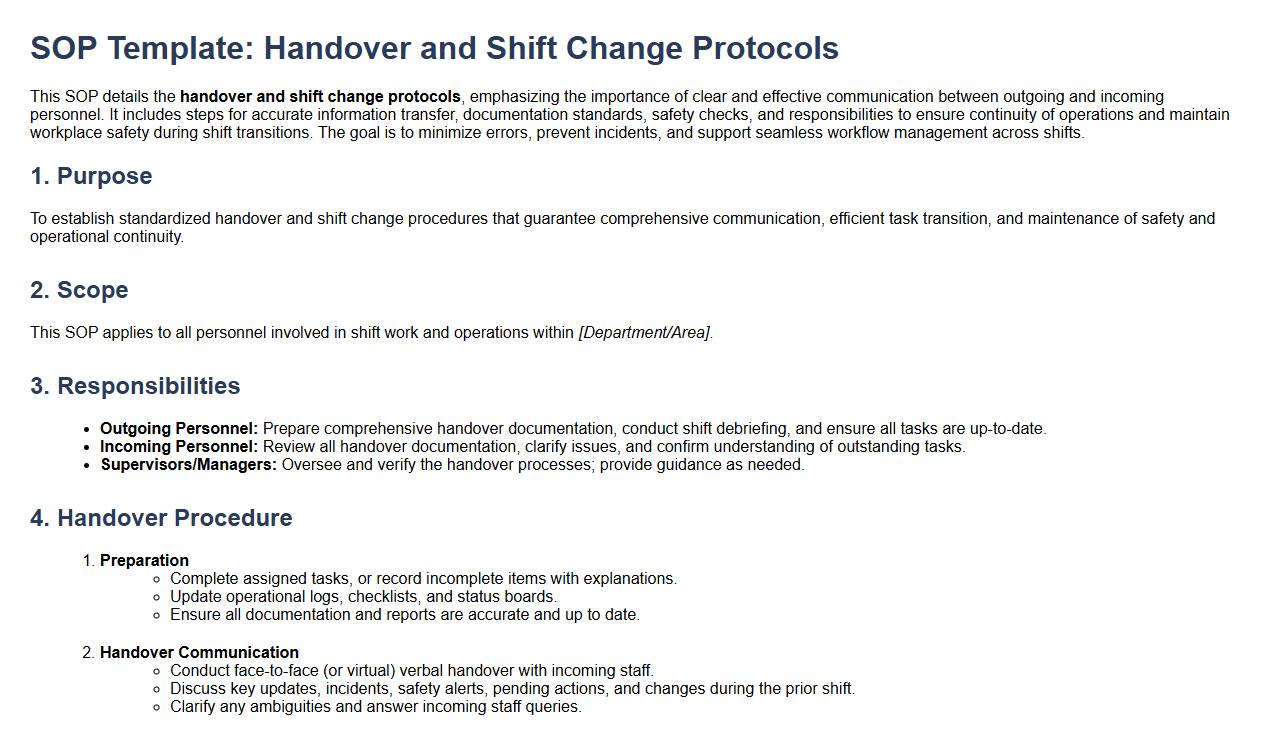
This SOP details the handover and shift change protocols, emphasizing the importance of clear and effective communication between outgoing and incoming personnel. It includes steps for accurate information transfer, documentation standards, safety checks, and responsibilities to ensure continuity of operations and maintain workplace safety during shift transitions. The goal is to minimize errors, prevent incidents, and support seamless workflow management across shifts.
Infection Prevention and Control Guidelines.
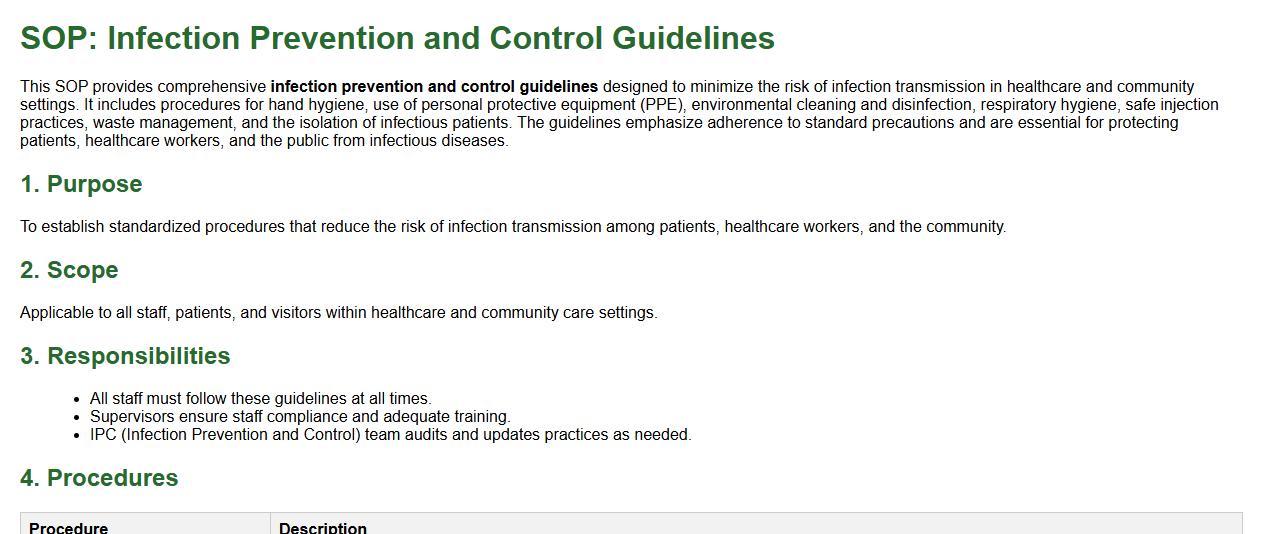
This SOP provides comprehensive infection prevention and control guidelines designed to minimize the risk of infection transmission in healthcare and community settings. It includes procedures for hand hygiene, use of personal protective equipment (PPE), environmental cleaning and disinfection, respiratory hygiene, safe injection practices, waste management, and the isolation of infectious patients. The guidelines emphasize adherence to standard precautions and are essential for protecting patients, healthcare workers, and the public from infectious diseases.
Medication Administration and Documentation.
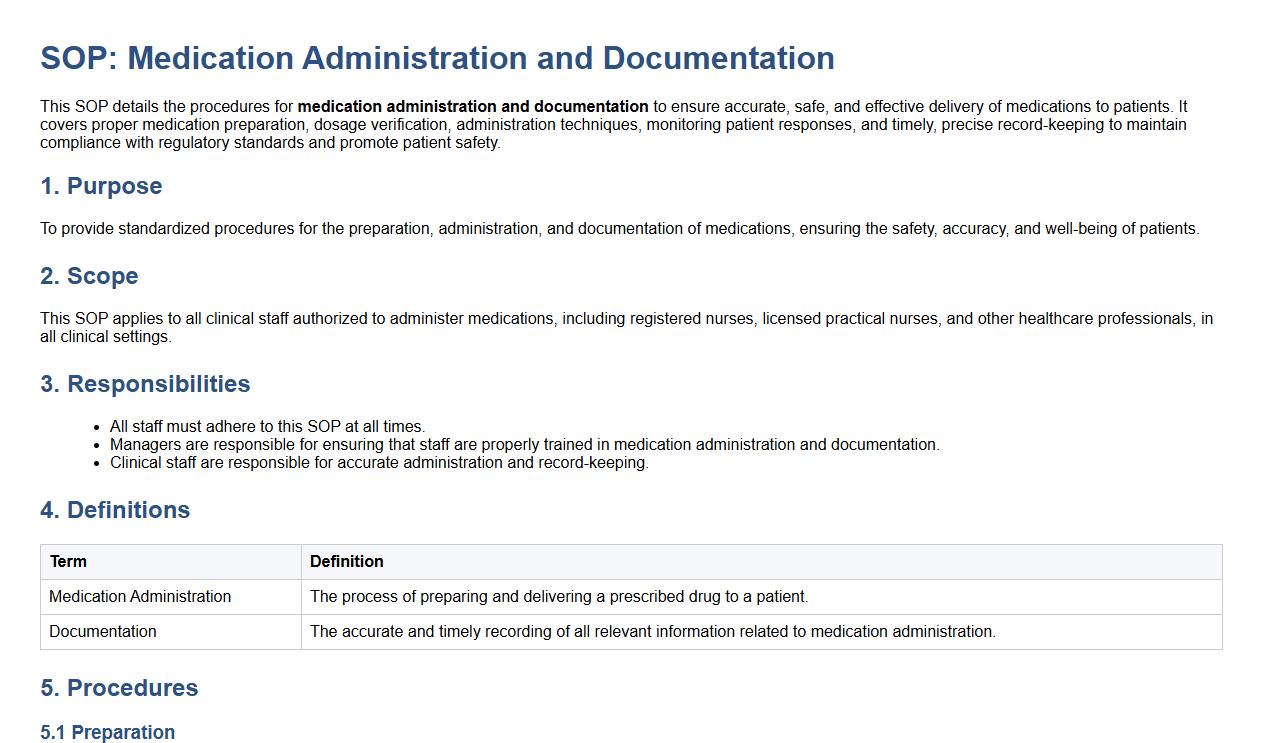
This SOP details the procedures for medication administration and documentation to ensure accurate, safe, and effective delivery of medications to patients. It covers proper medication preparation, dosage verification, administration techniques, monitoring patient responses, and timely, precise record-keeping to maintain compliance with regulatory standards and promote patient safety.
Ventilator and Life Support Equipment Management.
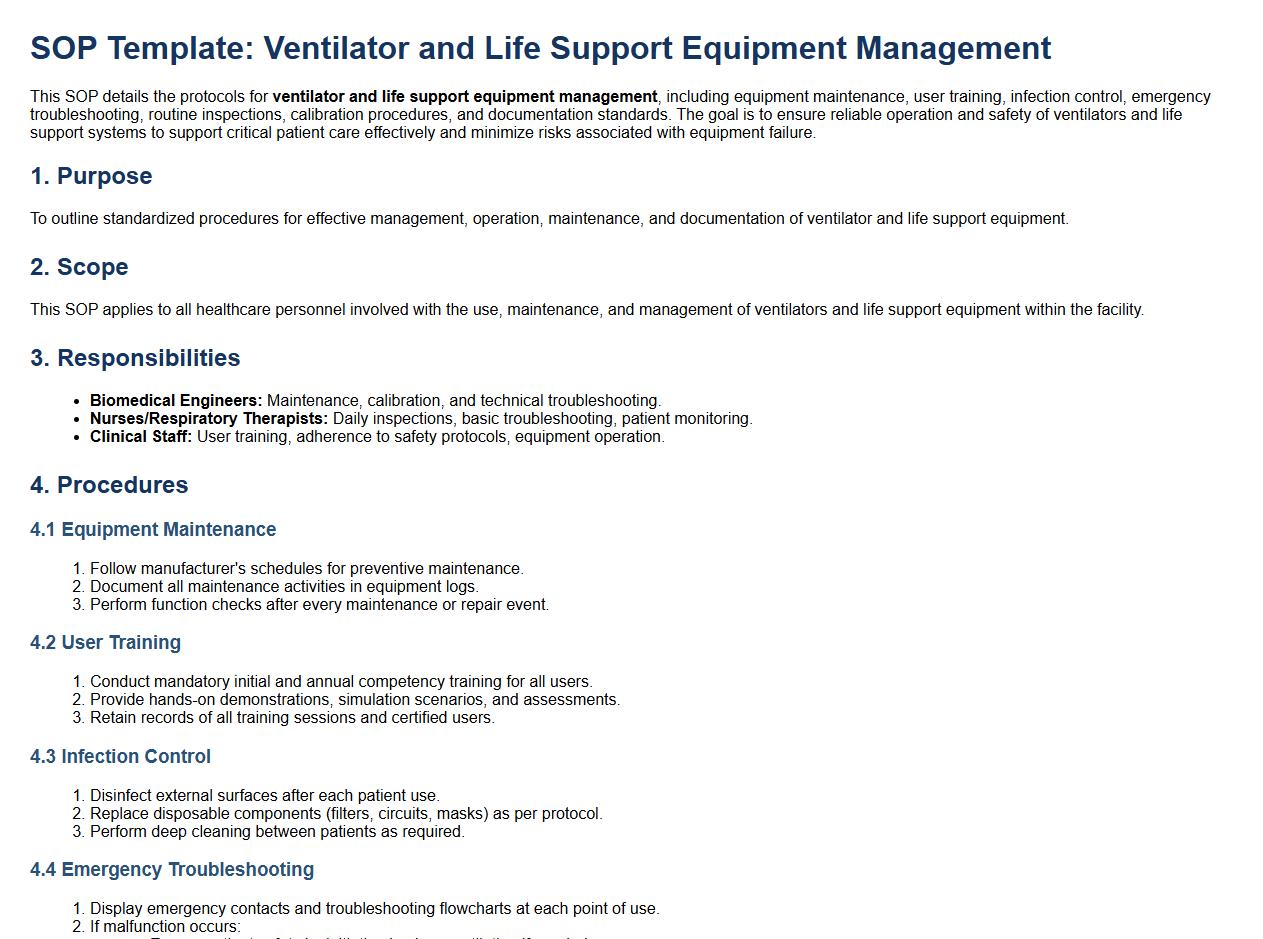
This SOP details the protocols for ventilator and life support equipment management, including equipment maintenance, user training, infection control, emergency troubleshooting, routine inspections, calibration procedures, and documentation standards. The goal is to ensure reliable operation and safety of ventilators and life support systems to support critical patient care effectively and minimize risks associated with equipment failure.
Patient Monitoring and Vital Signs Assessment.
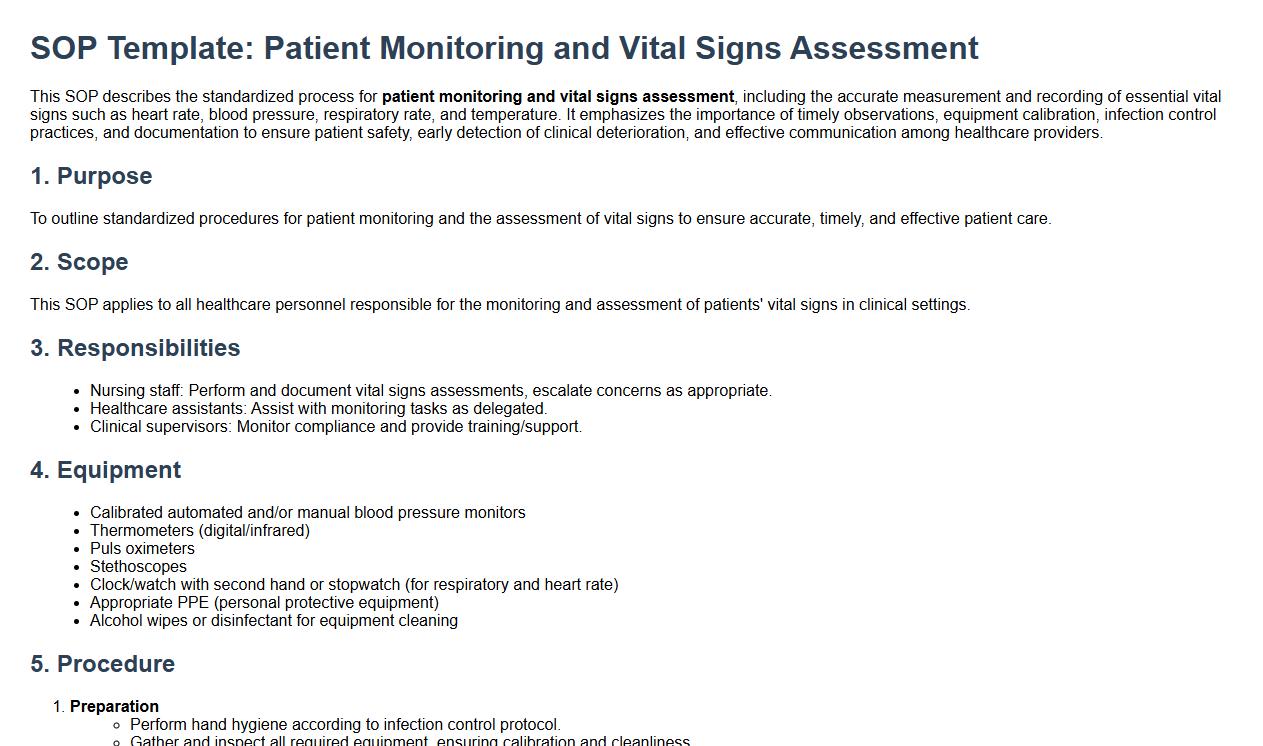
This SOP describes the standardized process for patient monitoring and vital signs assessment, including the accurate measurement and recording of essential vital signs such as heart rate, blood pressure, respiratory rate, and temperature. It emphasizes the importance of timely observations, equipment calibration, infection control practices, and documentation to ensure patient safety, early detection of clinical deterioration, and effective communication among healthcare providers.
Code Blue and Emergency Response Procedures.
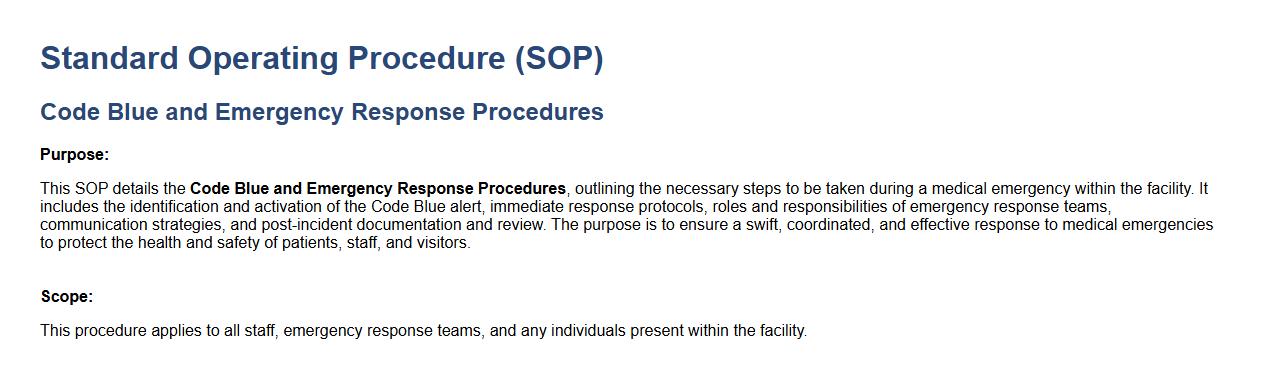
This SOP details the Code Blue and Emergency Response Procedures, outlining the necessary steps to be taken during a medical emergency within the facility. It includes the identification and activation of the Code Blue alert, immediate response protocols, roles and responsibilities of emergency response teams, communication strategies, and post-incident documentation and review. The purpose is to ensure a swift, coordinated, and effective response to medical emergencies to protect the health and safety of patients, staff, and visitors.
Sterile Procedure and Aseptic Technique Standards.
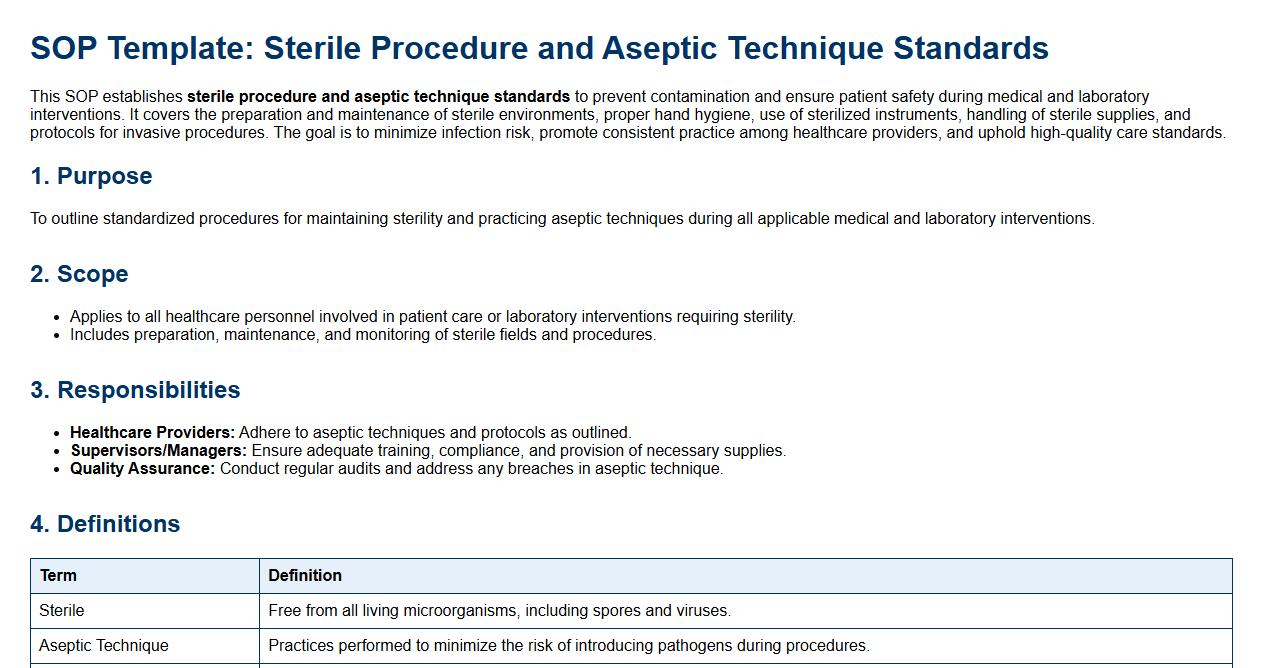
This SOP establishes sterile procedure and aseptic technique standards to prevent contamination and ensure patient safety during medical and laboratory interventions. It covers the preparation and maintenance of sterile environments, proper hand hygiene, use of sterilized instruments, handling of sterile supplies, and protocols for invasive procedures. The goal is to minimize infection risk, promote consistent practice among healthcare providers, and uphold high-quality care standards.
Discharge Planning and Patient Transfer Protocols.
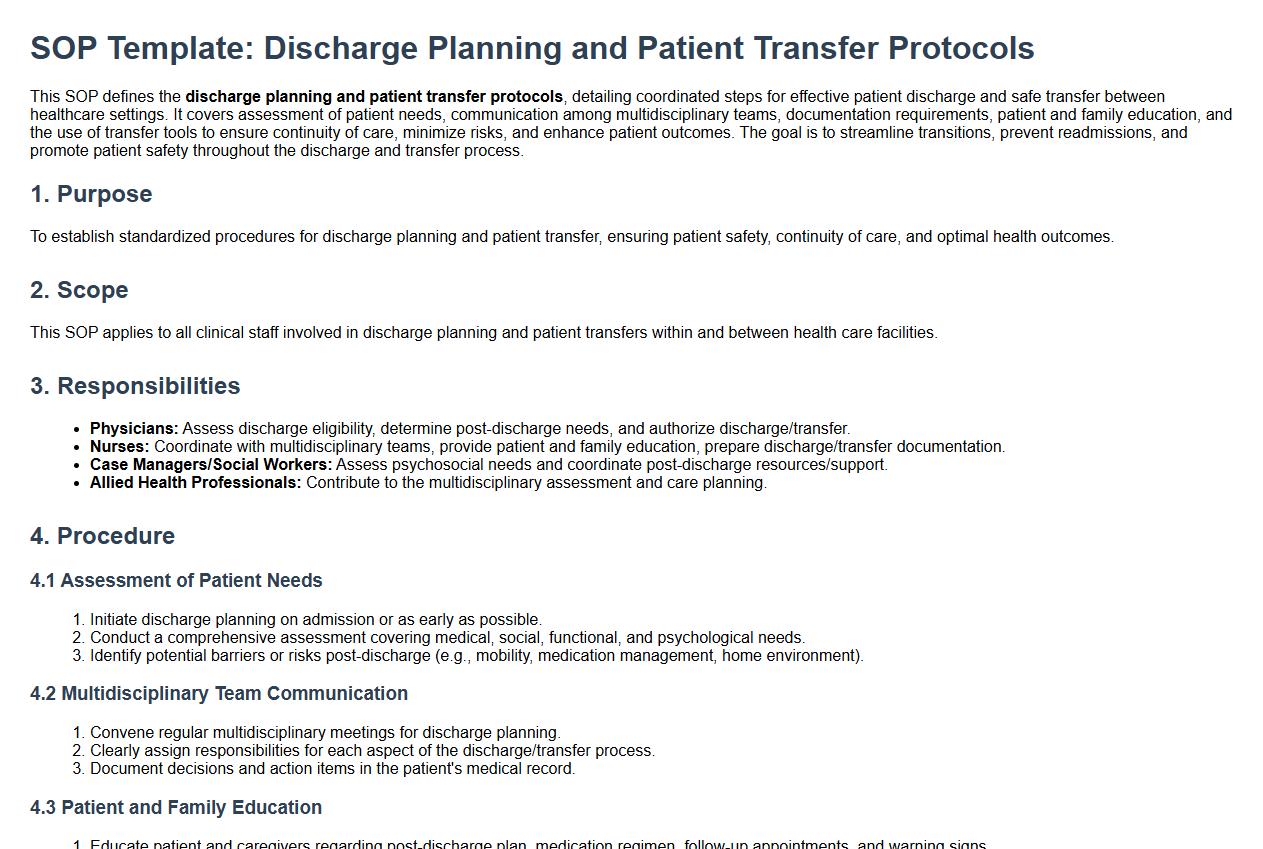
This SOP defines the discharge planning and patient transfer protocols, detailing coordinated steps for effective patient discharge and safe transfer between healthcare settings. It covers assessment of patient needs, communication among multidisciplinary teams, documentation requirements, patient and family education, and the use of transfer tools to ensure continuity of care, minimize risks, and enhance patient outcomes. The goal is to streamline transitions, prevent readmissions, and promote patient safety throughout the discharge and transfer process.
Critical Incident and Adverse Event Reporting.
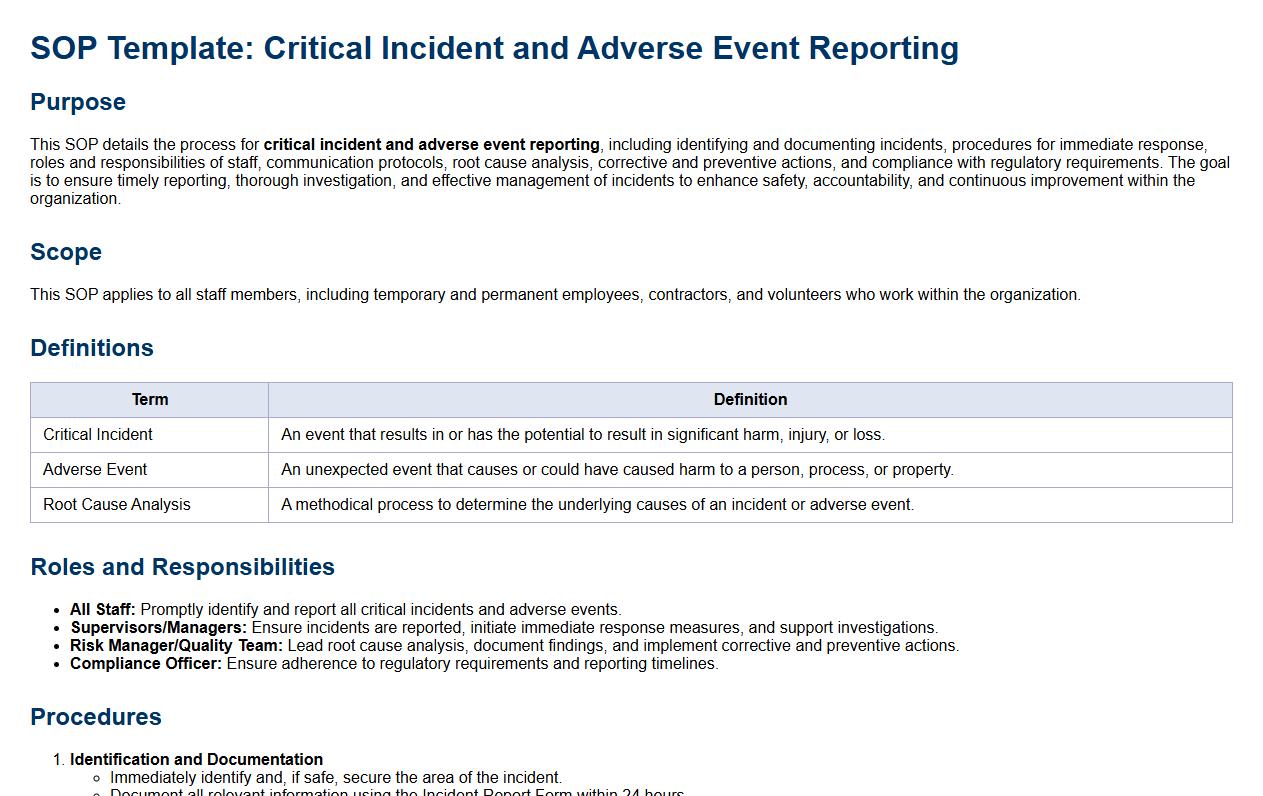
This SOP details the process for critical incident and adverse event reporting, including identifying and documenting incidents, procedures for immediate response, roles and responsibilities of staff, communication protocols, root cause analysis, corrective and preventive actions, and compliance with regulatory requirements. The goal is to ensure timely reporting, thorough investigation, and effective management of incidents to enhance safety, accountability, and continuous improvement within the organization.
What are the key objectives outlined in the SOP for Critical Care Unit operations?
The key objectives of the SOP for Critical Care Unit operations include ensuring the highest standards of patient care and safety. It aims to standardize processes to minimize errors and improve overall efficiency in the unit. Additionally, the SOP focuses on optimizing resource utilization and enhancing staff coordination.
Which roles and responsibilities are specified for staff in the Critical Care Unit SOP?
The SOP clearly defines roles and responsibilities for various staff members, including physicians, nurses, and support staff. Each role is assigned specific duties related to patient monitoring, documentation, and communication. This clarity ensures accountability and promotes teamwork within the Critical Care Unit.
What protocols does the SOP define for infection control within the Critical Care Unit?
The SOP establishes strict infection control protocols such as hand hygiene, use of personal protective equipment (PPE), and sterilization procedures. It mandates regular training and compliance audits to prevent healthcare-associated infections. Isolation measures for contagious patients are also clearly outlined to protect both patients and staff.
How does the SOP address procedures for patient admission, transfer, and discharge in the Critical Care Unit?
The SOP provides detailed procedures for patient admission, transfer, and discharge to ensure seamless transitions and continuity of care. It includes criteria for patient eligibility, documentation requirements, and communication protocols between departments. These measures help in managing patient flow efficiently and safely within the facility.
What emergency response steps are detailed in the Critical Care Unit SOP for critical incidents?
The SOP outlines comprehensive emergency response steps to be followed during critical incidents such as cardiac arrest or medical emergencies. It includes immediate actions, staff roles during emergencies, and communication protocols with the rapid response team. Regular drills and training sessions are encouraged to maintain staff readiness and effectiveness.