

A SOP Template for Emergency Room Triage ensures standardized procedures for assessing patient severity and prioritizing treatment efficiently. This template outlines clear guidelines for medical staff to quickly identify critical cases and streamline patient flow in high-pressure environments. Using a structured approach improves response times and enhances overall patient care in the emergency department.
Patient arrival and initial assessment protocols.
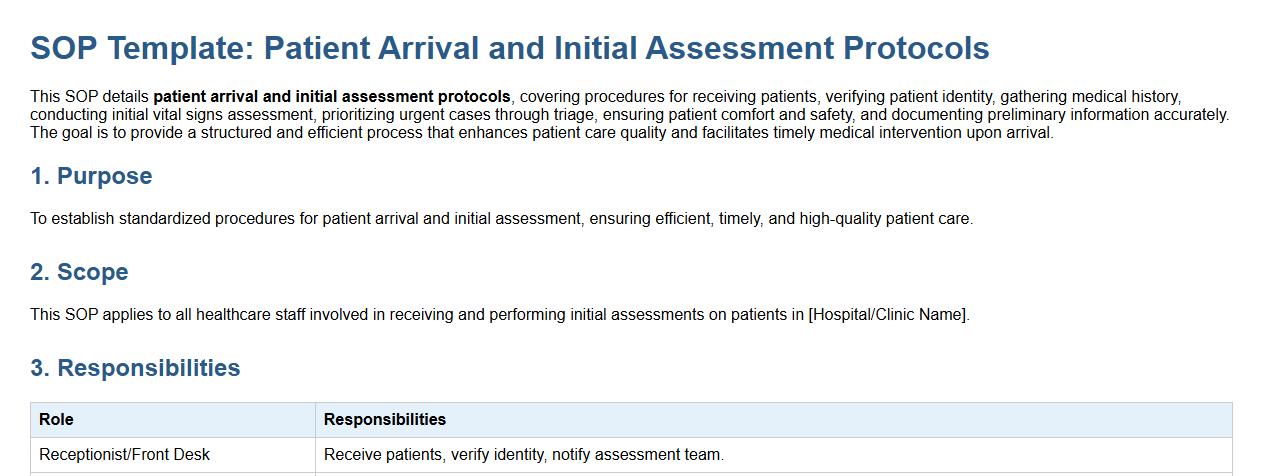
This SOP details patient arrival and initial assessment protocols, covering procedures for receiving patients, verifying patient identity, gathering medical history, conducting initial vital signs assessment, prioritizing urgent cases through triage, ensuring patient comfort and safety, and documenting preliminary information accurately. The goal is to provide a structured and efficient process that enhances patient care quality and facilitates timely medical intervention upon arrival.
Triage categorization based on acuity levels.
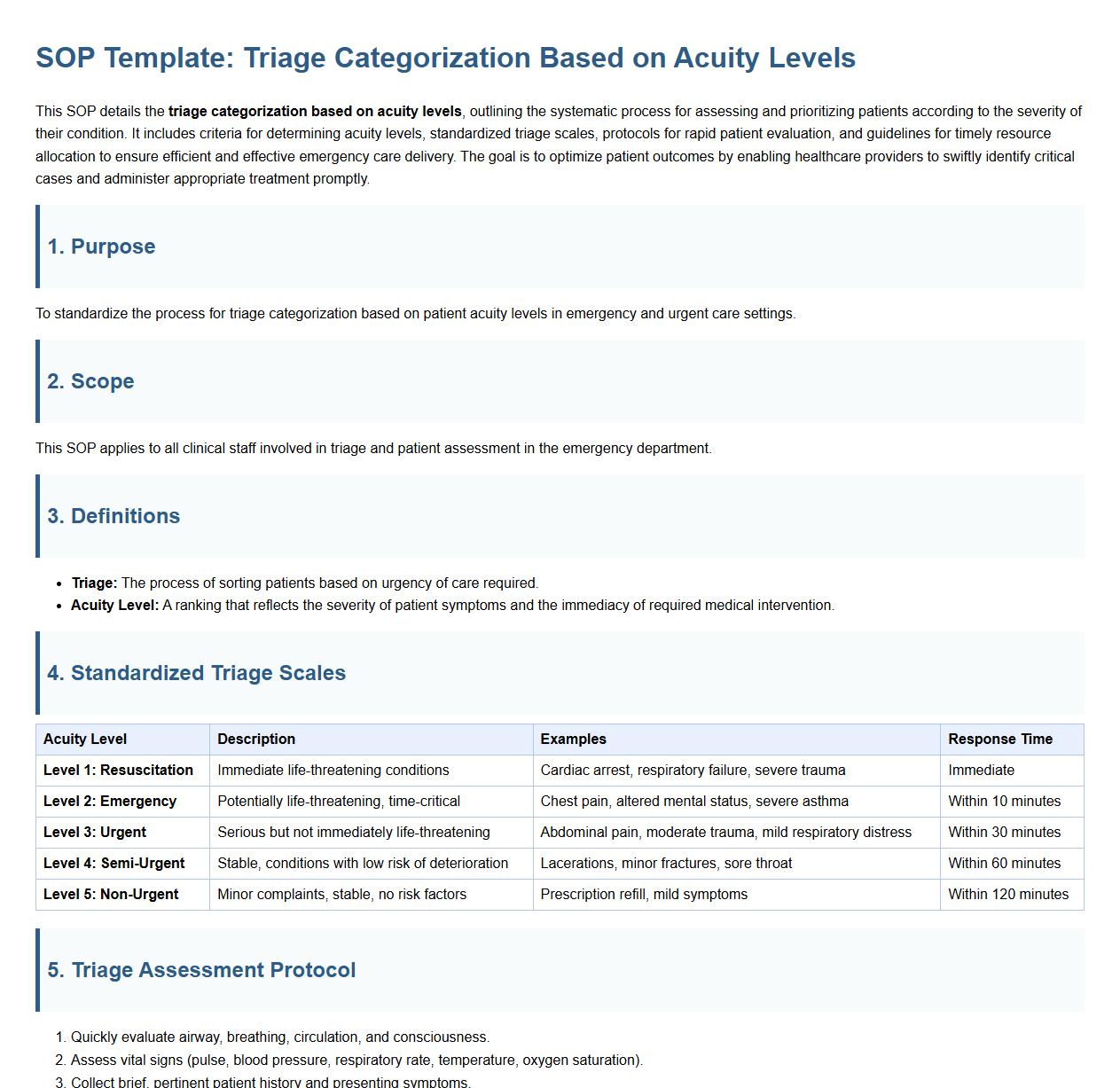
This SOP details the triage categorization based on acuity levels, outlining the systematic process for assessing and prioritizing patients according to the severity of their condition. It includes criteria for determining acuity levels, standardized triage scales, protocols for rapid patient evaluation, and guidelines for timely resource allocation to ensure efficient and effective emergency care delivery. The goal is to optimize patient outcomes by enabling healthcare providers to swiftly identify critical cases and administer appropriate treatment promptly.
Vital signs measurement and documentation procedures.
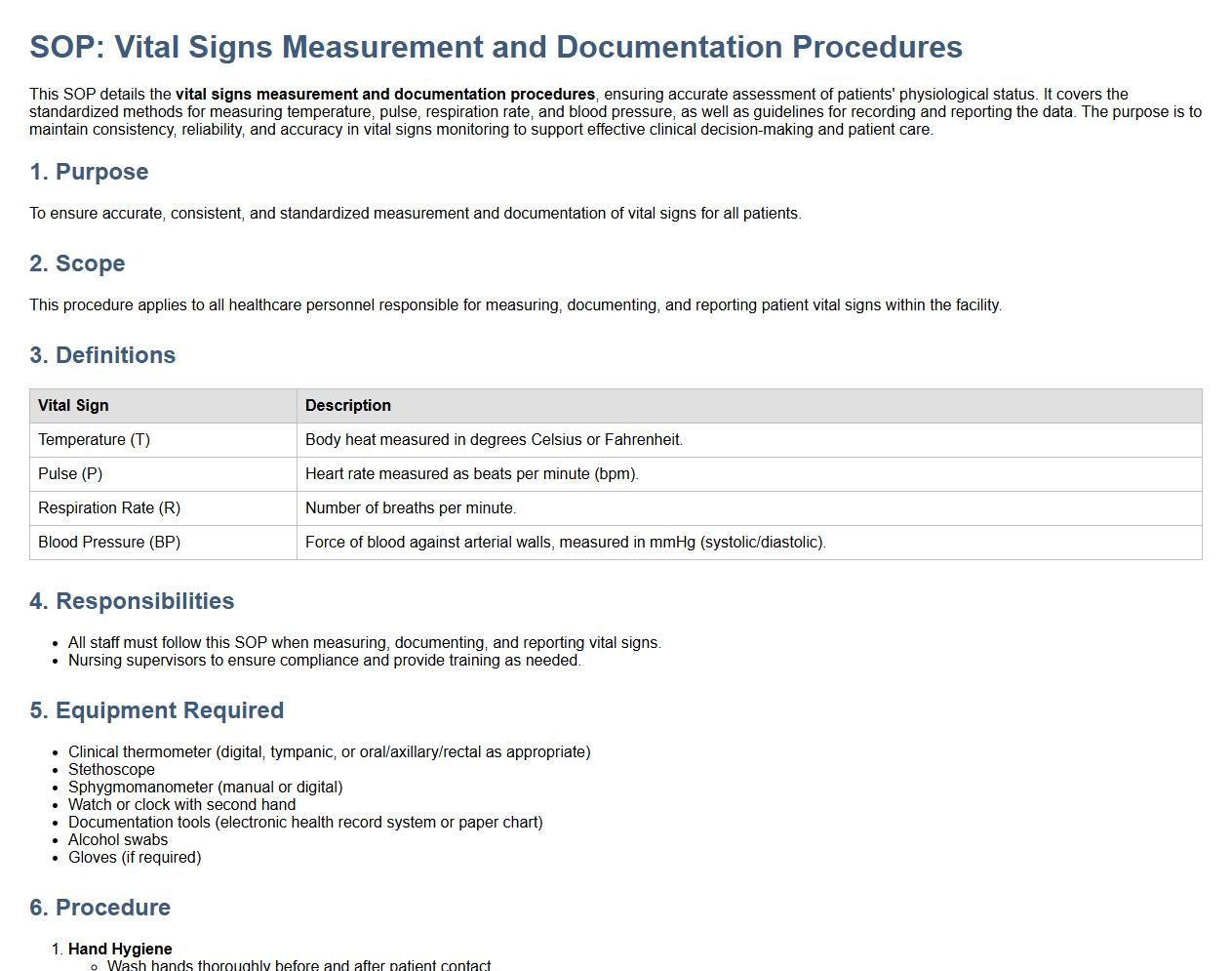
This SOP details the vital signs measurement and documentation procedures, ensuring accurate assessment of patients' physiological status. It covers the standardized methods for measuring temperature, pulse, respiration rate, and blood pressure, as well as guidelines for recording and reporting the data. The purpose is to maintain consistency, reliability, and accuracy in vital signs monitoring to support effective clinical decision-making and patient care.
Patient identification and verification guidelines.
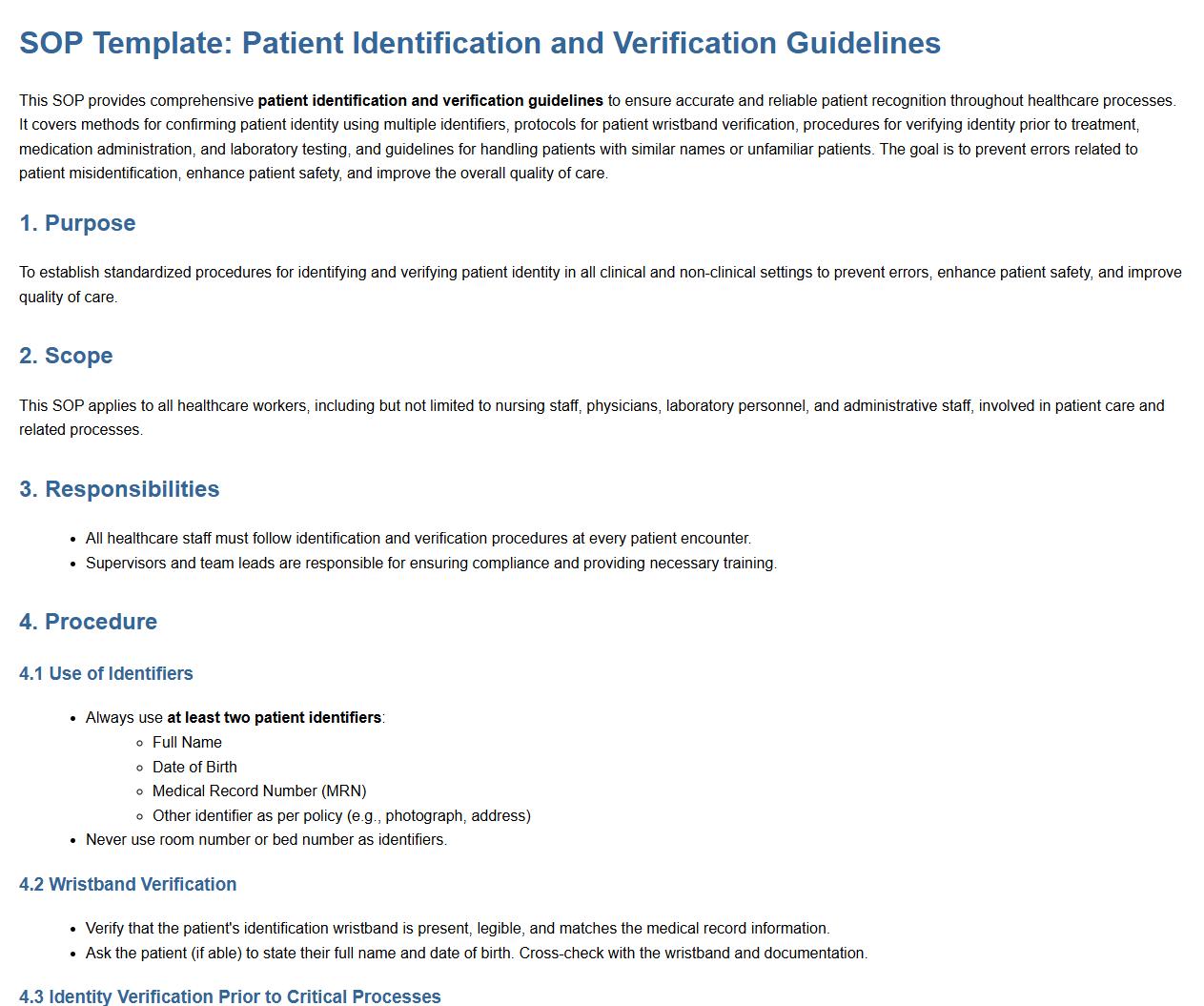
This SOP provides comprehensive patient identification and verification guidelines to ensure accurate and reliable patient recognition throughout healthcare processes. It covers methods for confirming patient identity using multiple identifiers, protocols for patient wristband verification, procedures for verifying identity prior to treatment, medication administration, and laboratory testing, and guidelines for handling patients with similar names or unfamiliar patients. The goal is to prevent errors related to patient misidentification, enhance patient safety, and improve the overall quality of care.
Infection prevention and control measures.
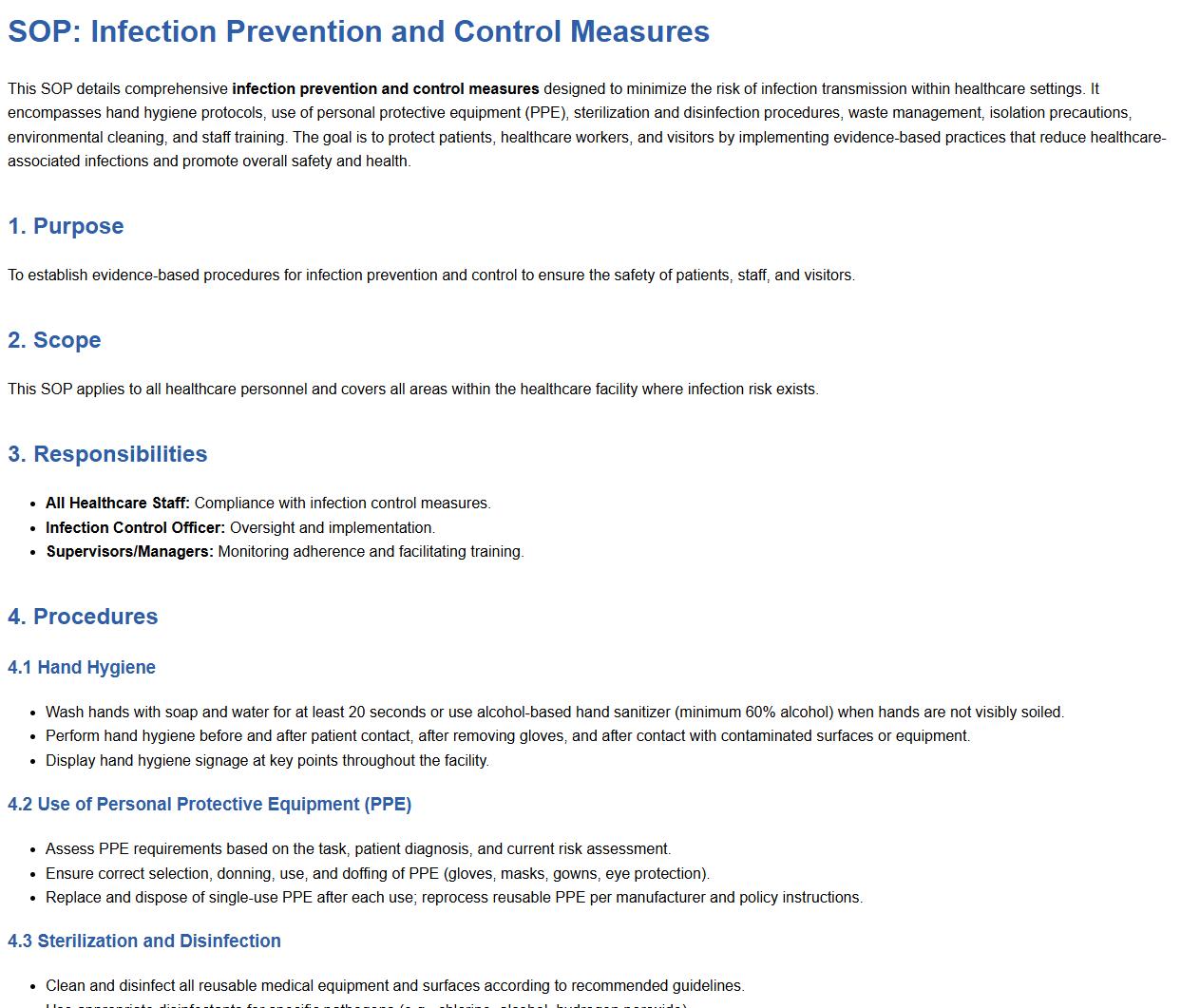
This SOP details comprehensive infection prevention and control measures to minimize the risk of infectious disease transmission within healthcare settings. It includes protocols for hand hygiene, use of personal protective equipment (PPE), environmental cleaning and disinfection, respiratory hygiene, safe injection practices, and waste management. The objective is to protect patients, healthcare workers, and visitors by ensuring a safe and clean environment through standardized practices and continuous monitoring.
Communication and handover protocol to clinical staff.
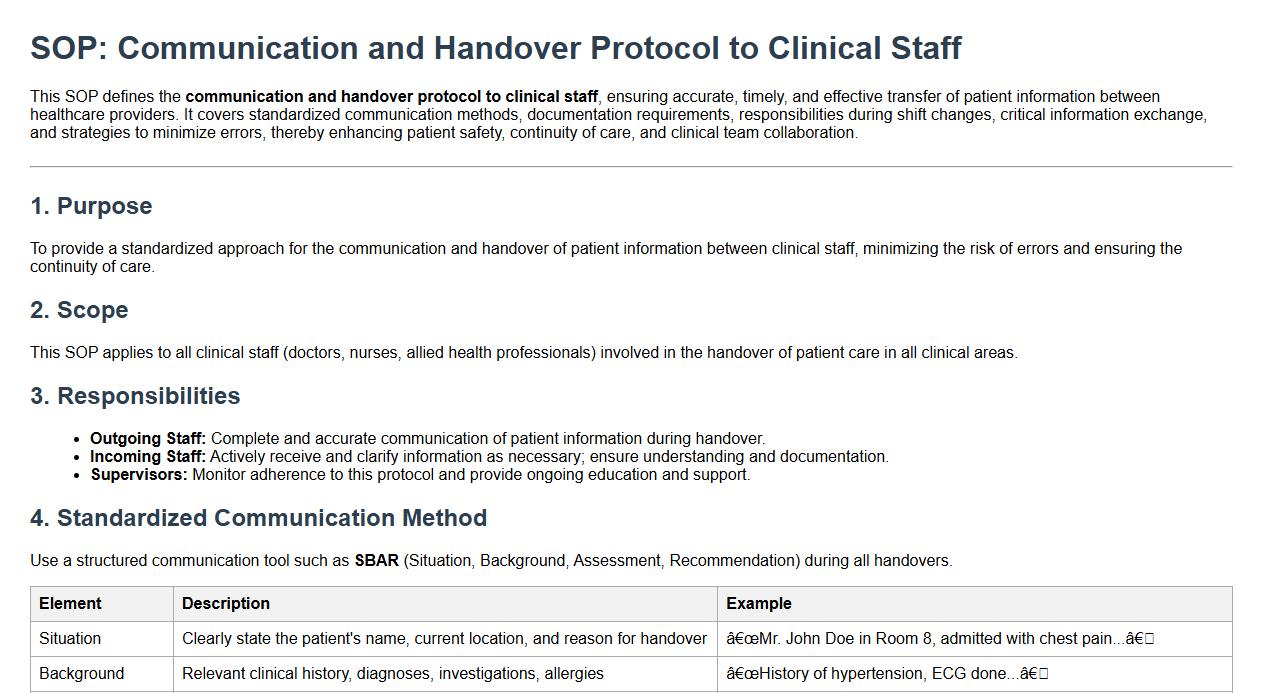
This SOP defines the communication and handover protocol to clinical staff, ensuring accurate, timely, and effective transfer of patient information between healthcare providers. It covers standardized communication methods, documentation requirements, responsibilities during shift changes, critical information exchange, and strategies to minimize errors, thereby enhancing patient safety, continuity of care, and clinical team collaboration.
Guidelines for prioritizing treatment and resource allocation.
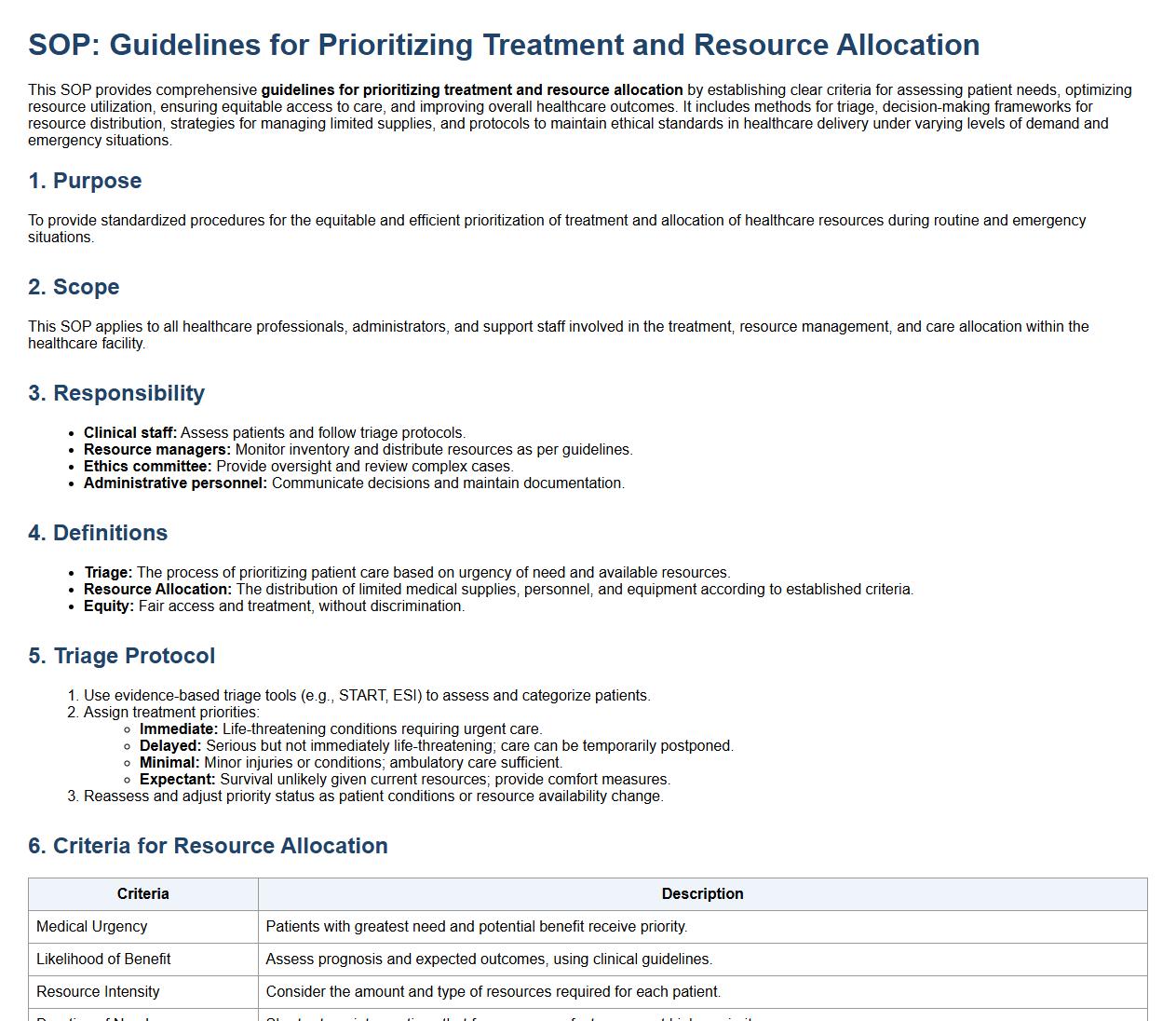
This SOP provides comprehensive guidelines for prioritizing treatment and resource allocation by establishing clear criteria for assessing patient needs, optimizing resource utilization, ensuring equitable access to care, and improving overall healthcare outcomes. It includes methods for triage, decision-making frameworks for resource distribution, strategies for managing limited supplies, and protocols to maintain ethical standards in healthcare delivery under varying levels of demand and emergency situations.
Patient flow and waiting time monitoring.
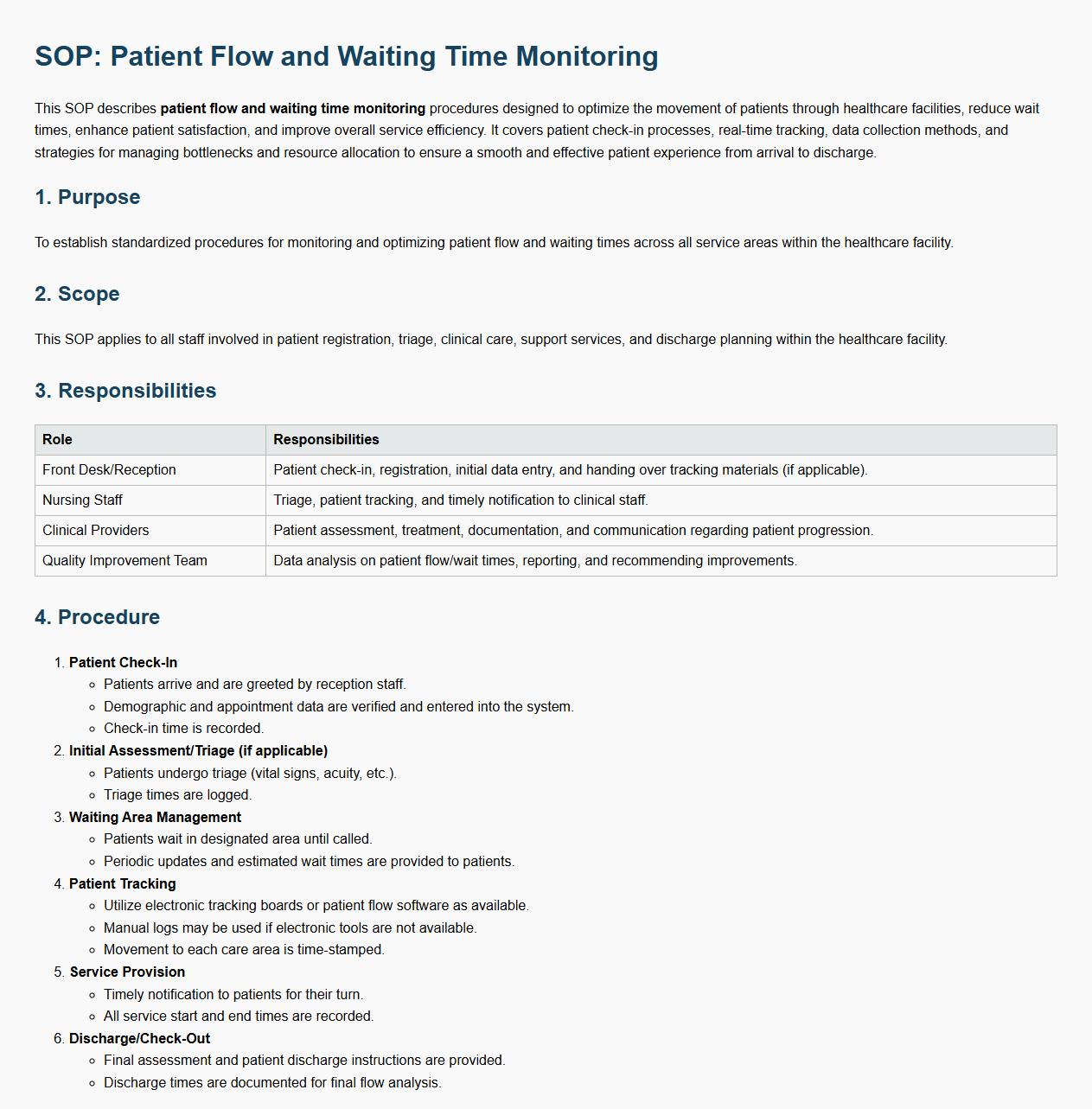
This SOP describes patient flow and waiting time monitoring procedures designed to optimize the movement of patients through healthcare facilities, reduce wait times, enhance patient satisfaction, and improve overall service efficiency. It covers patient check-in processes, real-time tracking, data collection methods, and strategies for managing bottlenecks and resource allocation to ensure a smooth and effective patient experience from arrival to discharge.
Documentation and record-keeping standards.
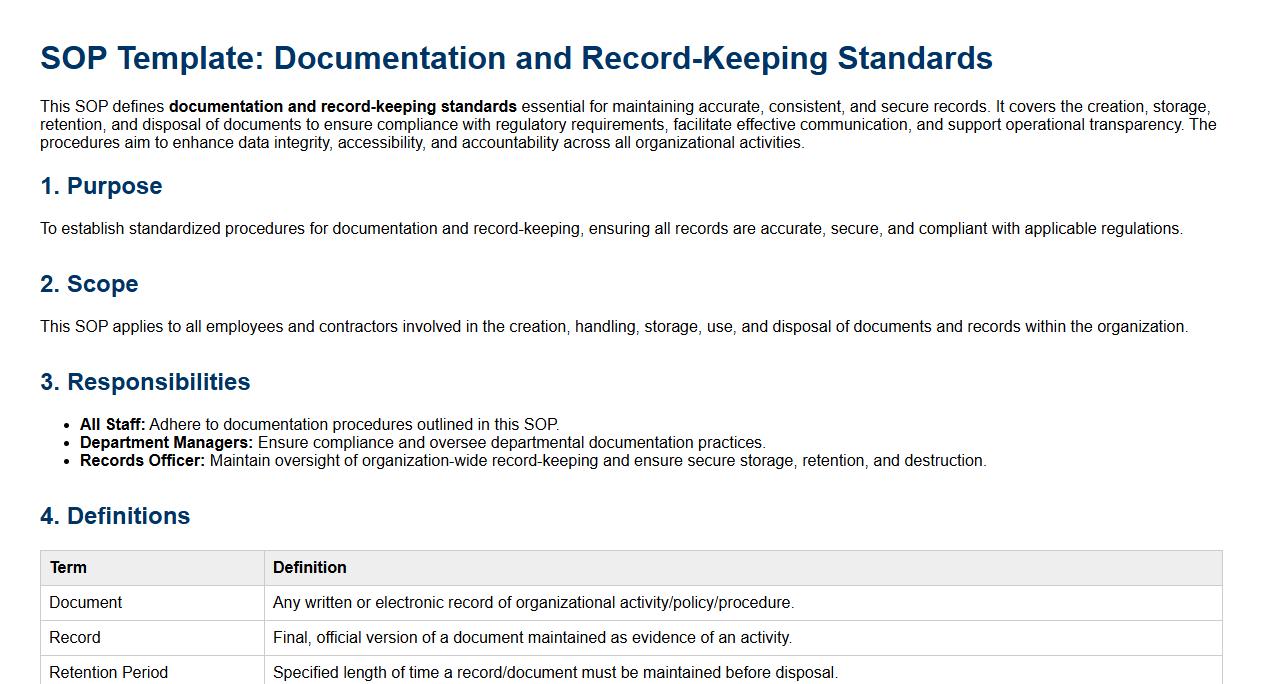
This SOP defines documentation and record-keeping standards essential for maintaining accurate, consistent, and secure records. It covers the creation, storage, retention, and disposal of documents to ensure compliance with regulatory requirements, facilitate effective communication, and support operational transparency. The procedures aim to enhance data integrity, accessibility, and accountability across all organizational activities.
Escalation and reassessment procedures for deteriorating patients.
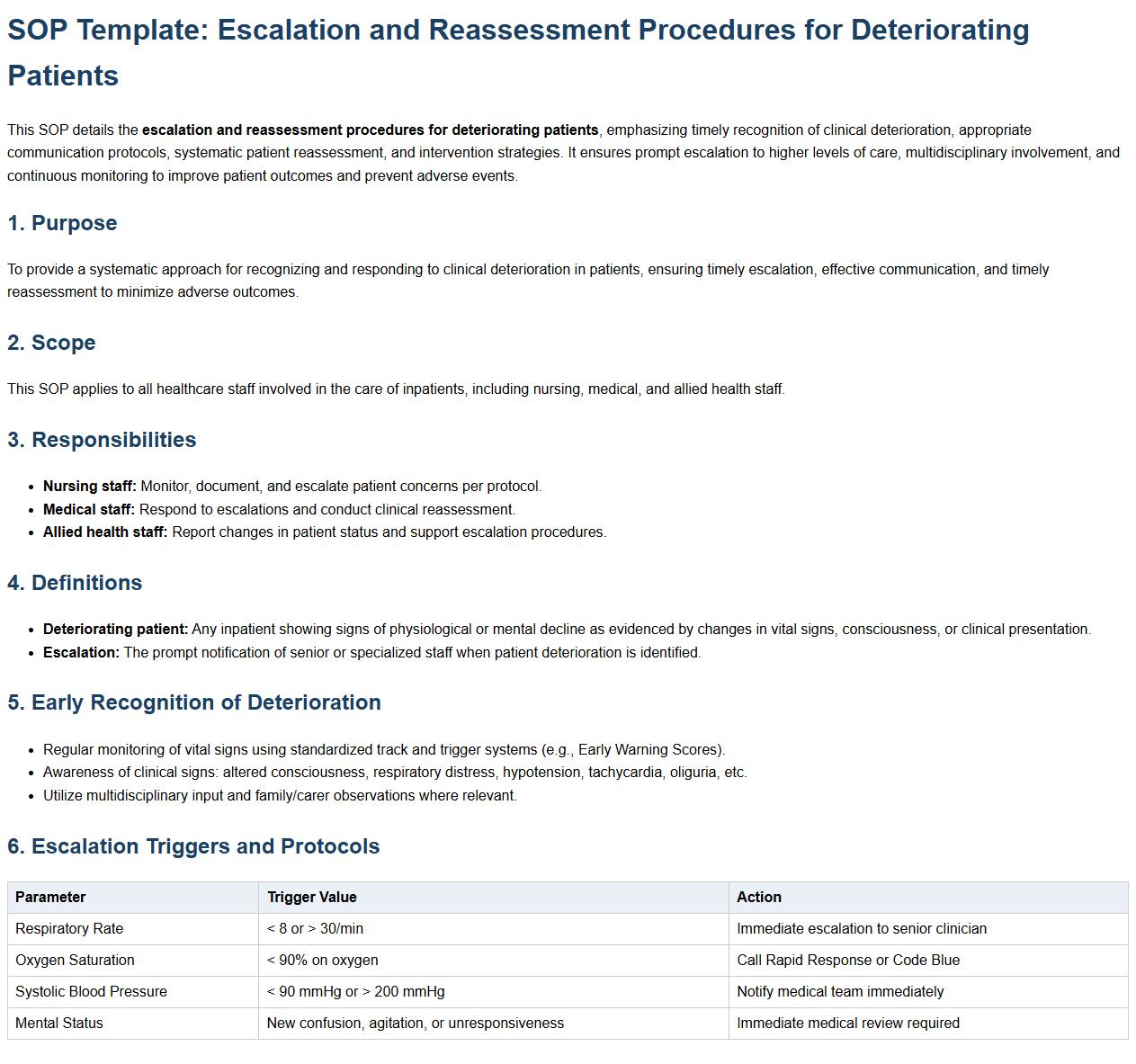
This SOP details the escalation and reassessment procedures for deteriorating patients, emphasizing timely recognition of clinical deterioration, appropriate communication protocols, systematic patient reassessment, and intervention strategies. It ensures prompt escalation to higher levels of care, multidisciplinary involvement, and continuous monitoring to improve patient outcomes and prevent adverse events.
What are the key steps outlined in the SOP for assessing patient acuity in the Emergency Room triage process?
The SOP emphasizes initial patient assessment upon arrival to determine the severity of their condition. Key steps include rapid evaluation of vital signs, chief complaints, and clinical history. This systematic approach ensures efficient categorization and optimal allocation of resources in the Emergency Room.
Which criteria in the SOP determine the priority level for patient treatment during triage?
The SOP establishes priority levels based on clinical urgency, including vital sign abnormalities and presenting symptoms. Criteria such as airway obstruction, respiratory distress, and altered mental status are critical for prioritization. These guidelines facilitate timely identification of patients needing immediate care.
According to the SOP, what documentation is required for each patient during triage?
The SOP mandates detailed triage documentation including patient demographics, chief complaint, vital signs, and acuity level. Accurate and prompt recording ensures continuity of care and legal compliance. This documentation supports clinical decision-making and departmental communication.
How does the SOP address communication protocols between triage staff and emergency department clinicians?
The SOP outlines structured communication protocols to enhance information exchange between triage staff and clinicians. Immediate verbal handoffs and use of standardized communication tools are emphasized. This process minimizes errors and ensures swift patient management.
What immediate actions does the SOP specify for patients identified as high-risk or critical during triage?
For patients labeled as high-risk or critical, the SOP requires urgent notification to emergency physicians and rapid initiation of life-saving interventions. It stresses continuous monitoring and expedited transfer to appropriate treatment areas. These steps aim to improve patient outcomes in critical scenarios.